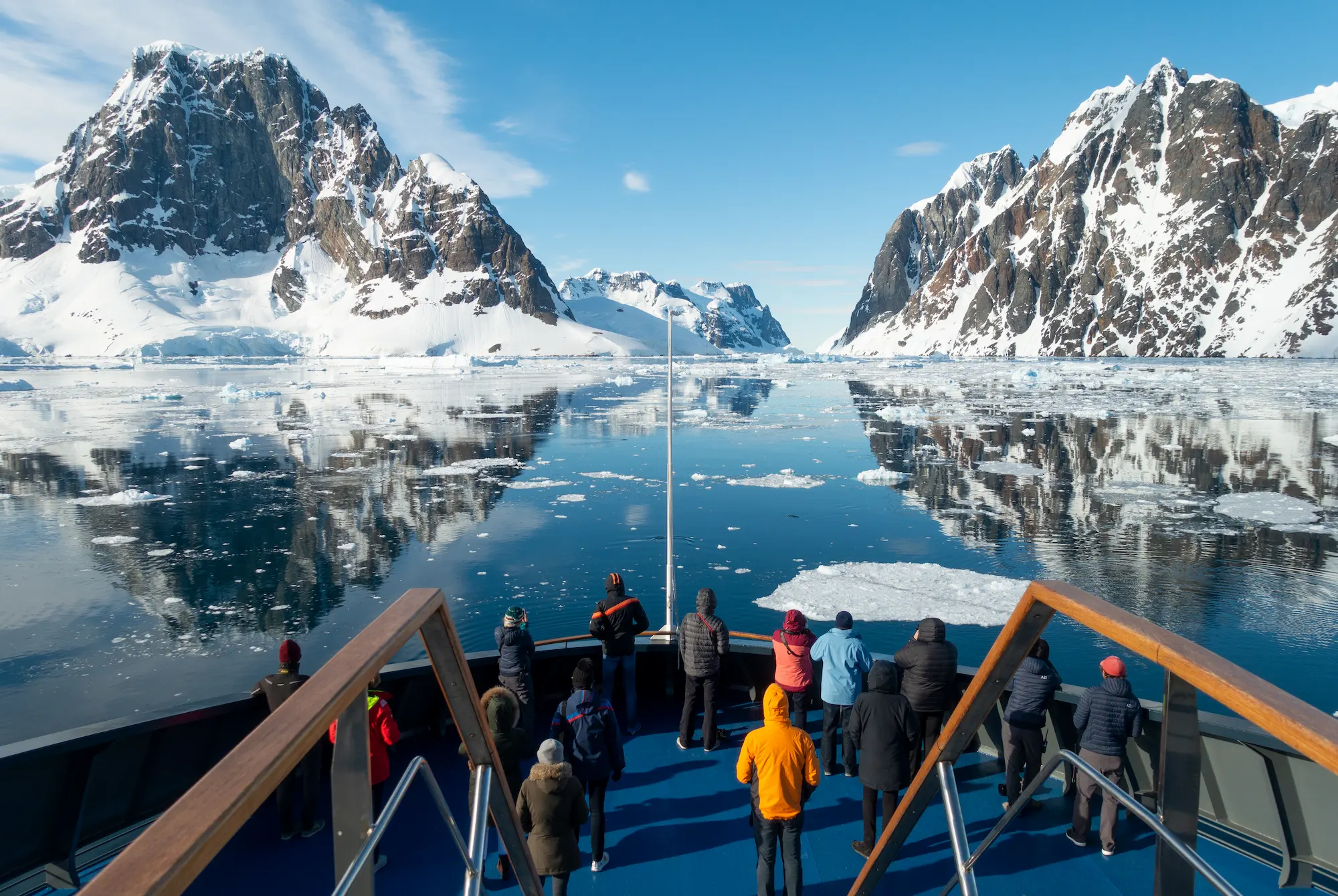
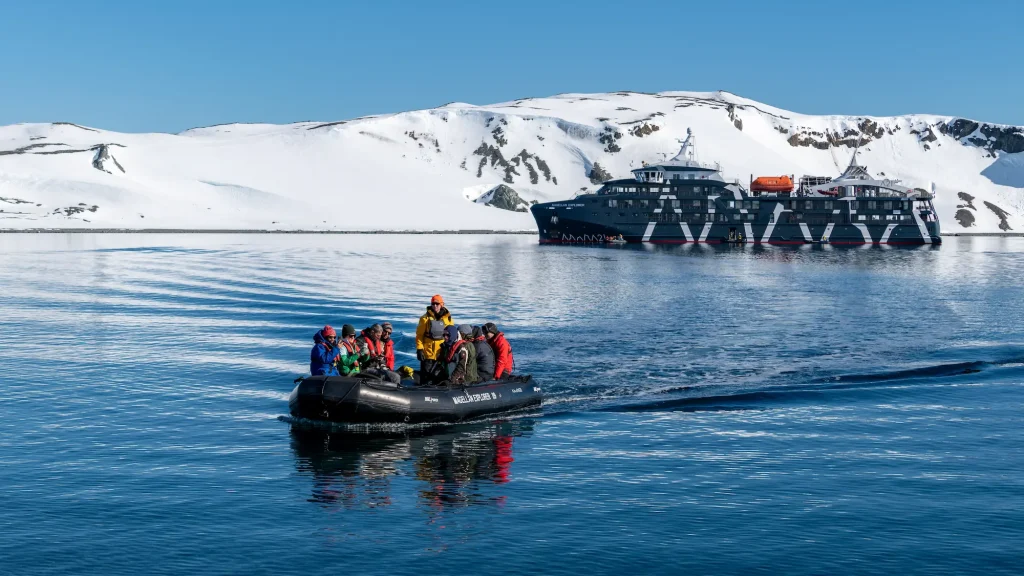
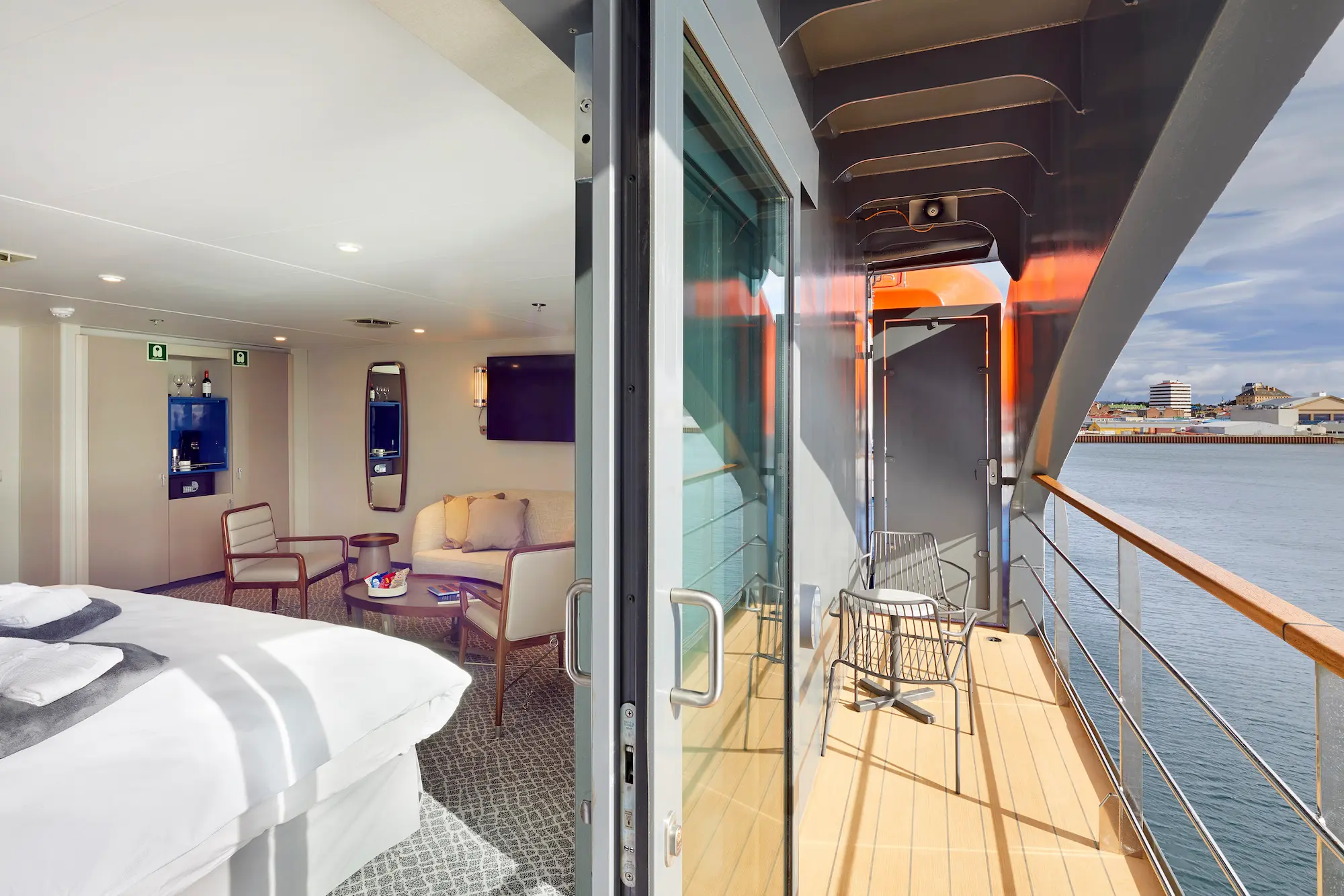
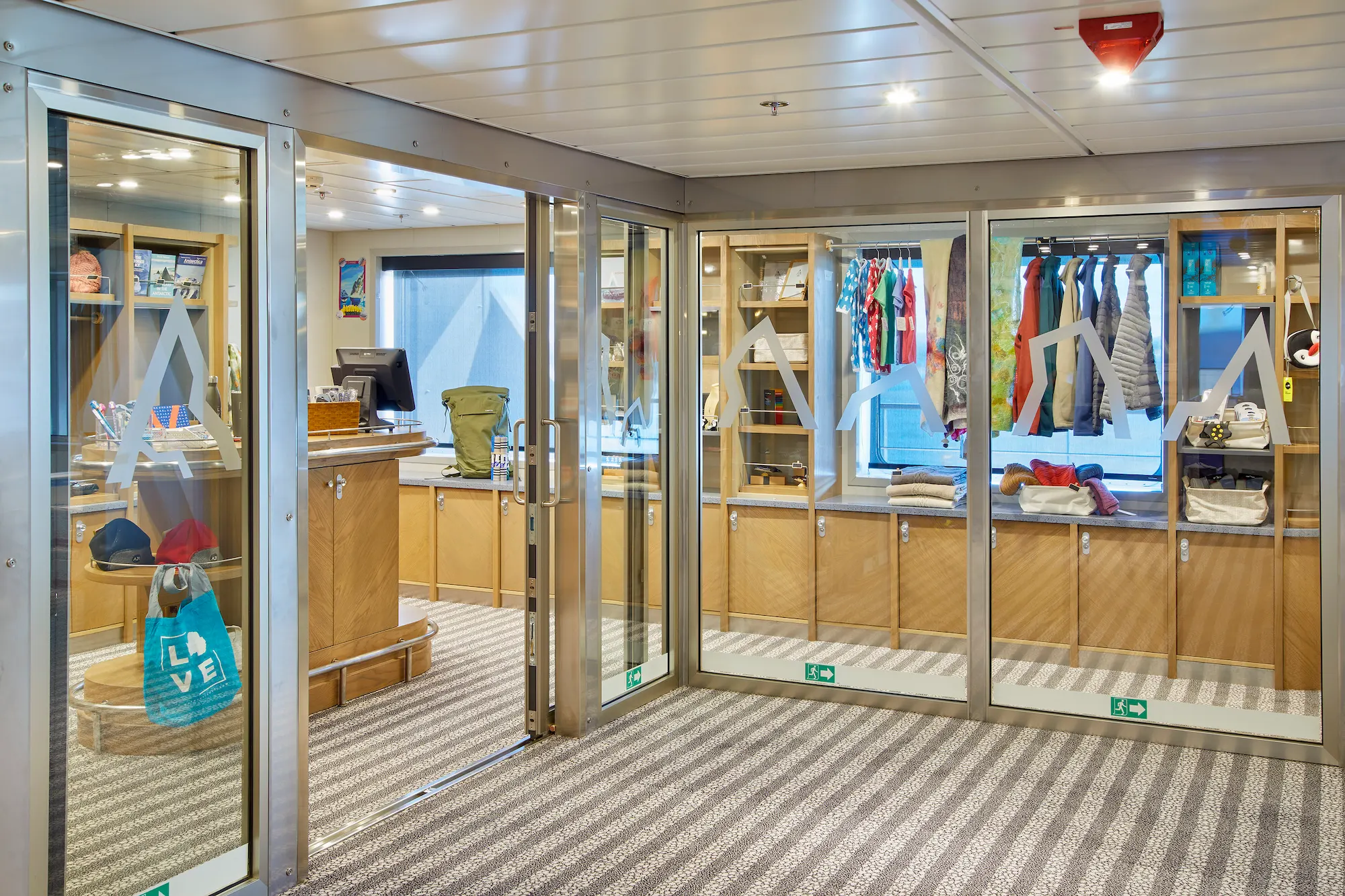
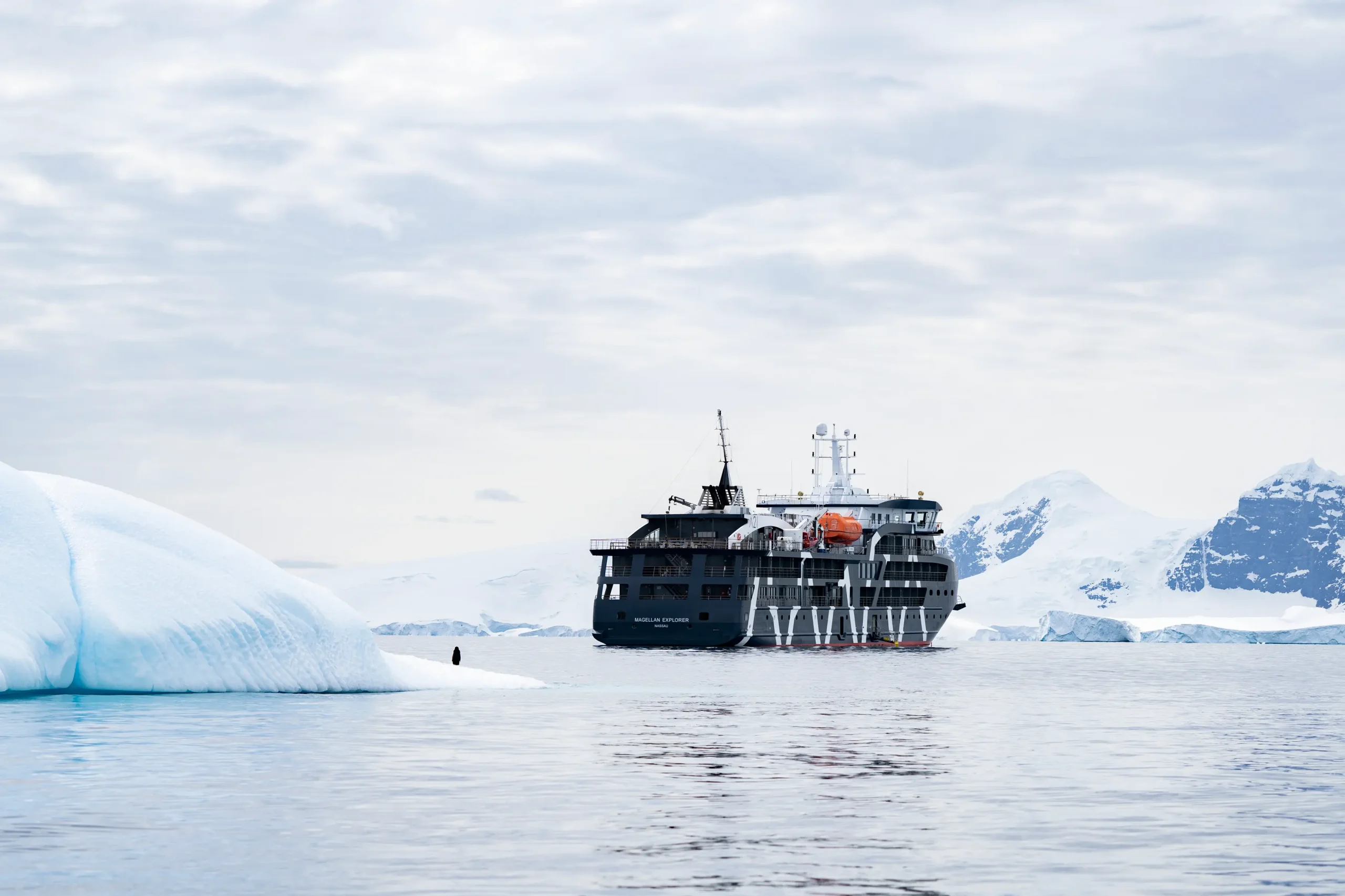
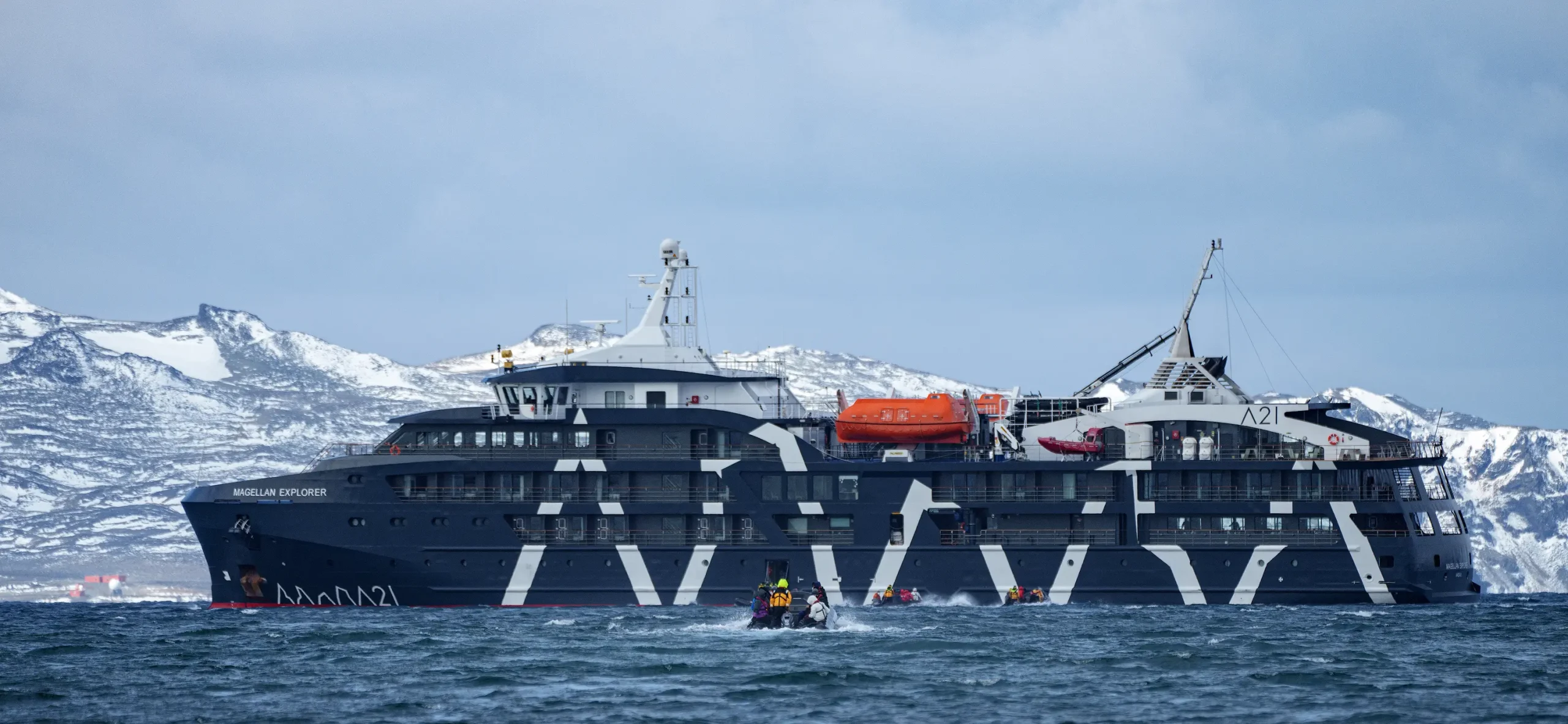
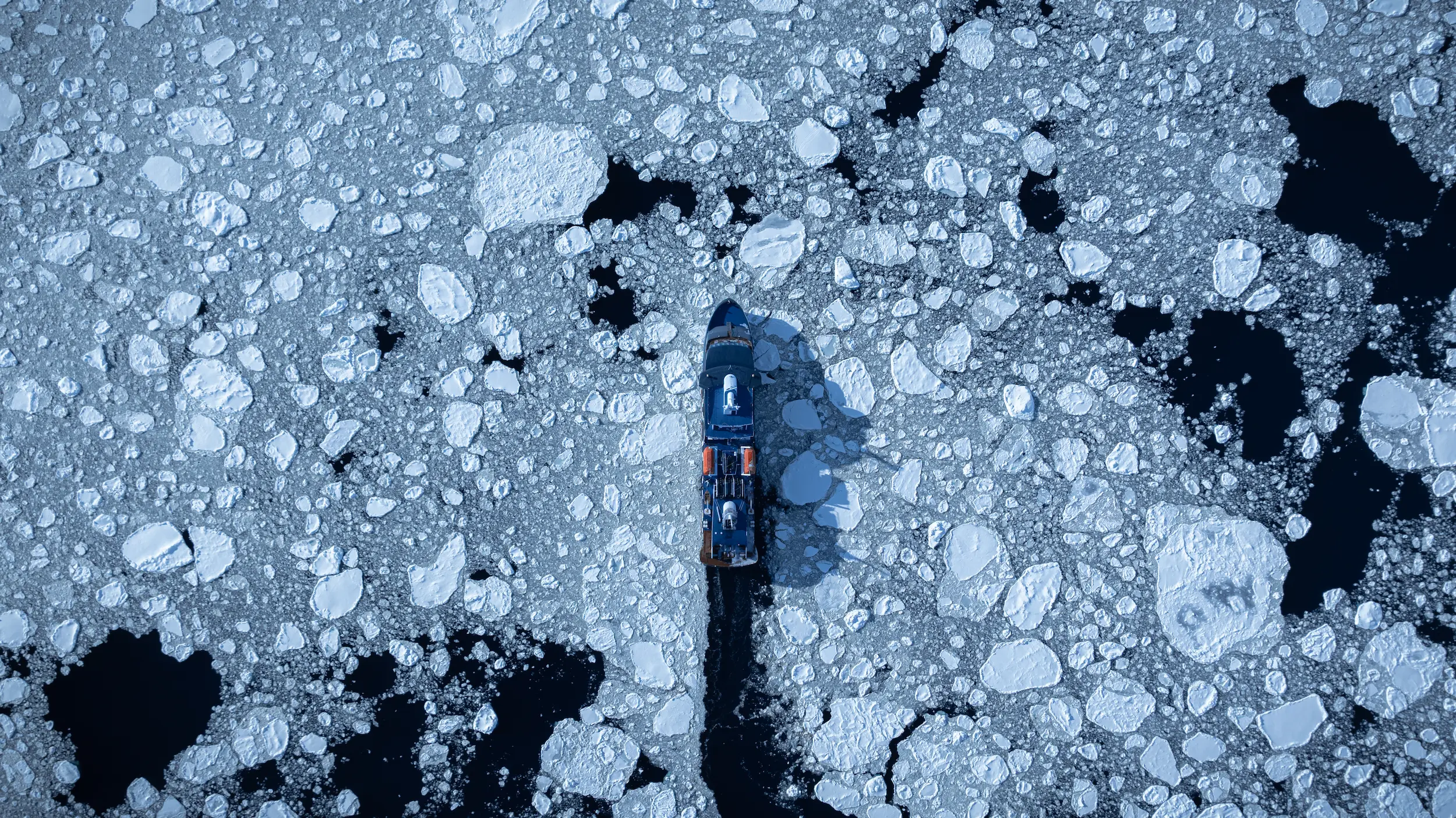
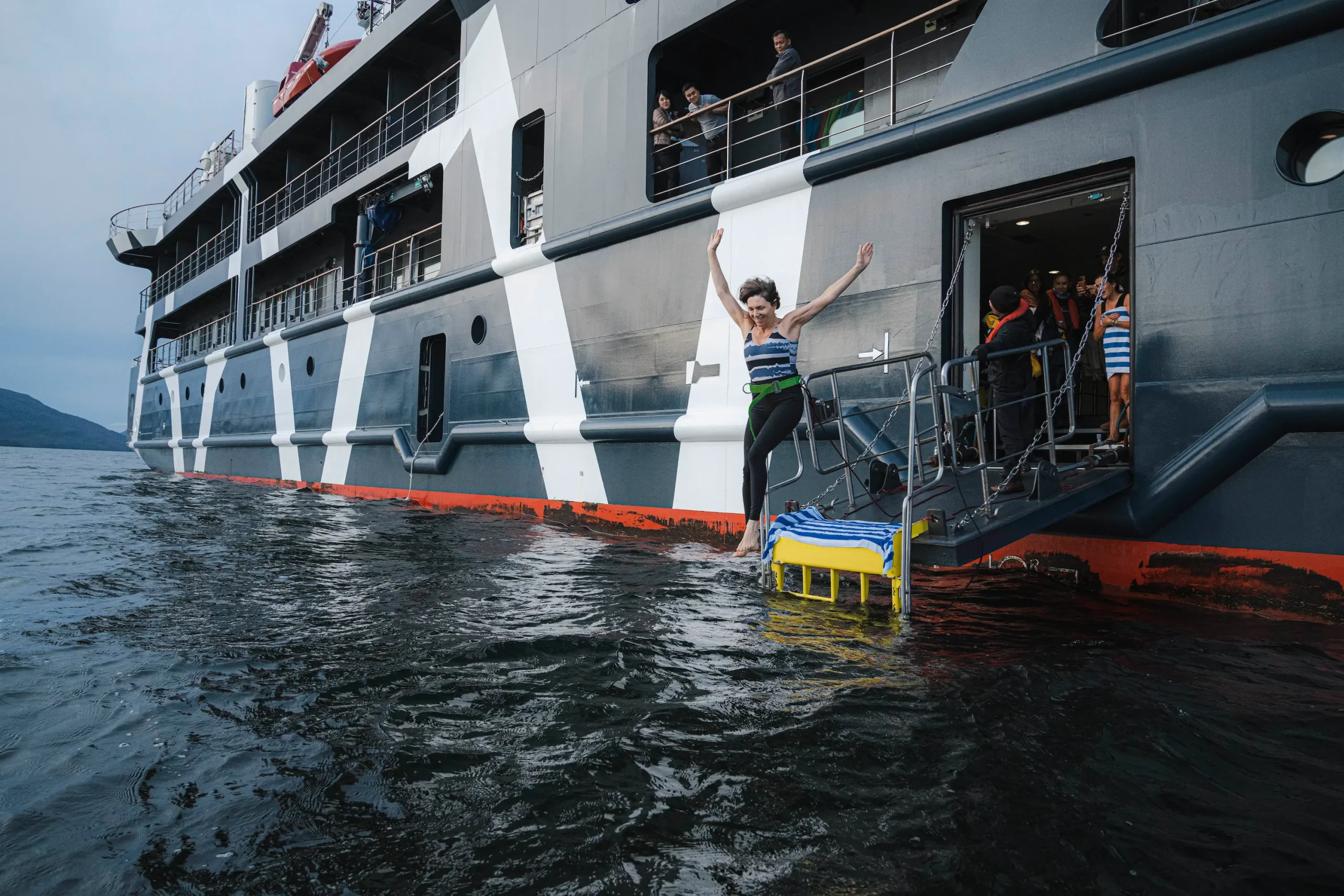
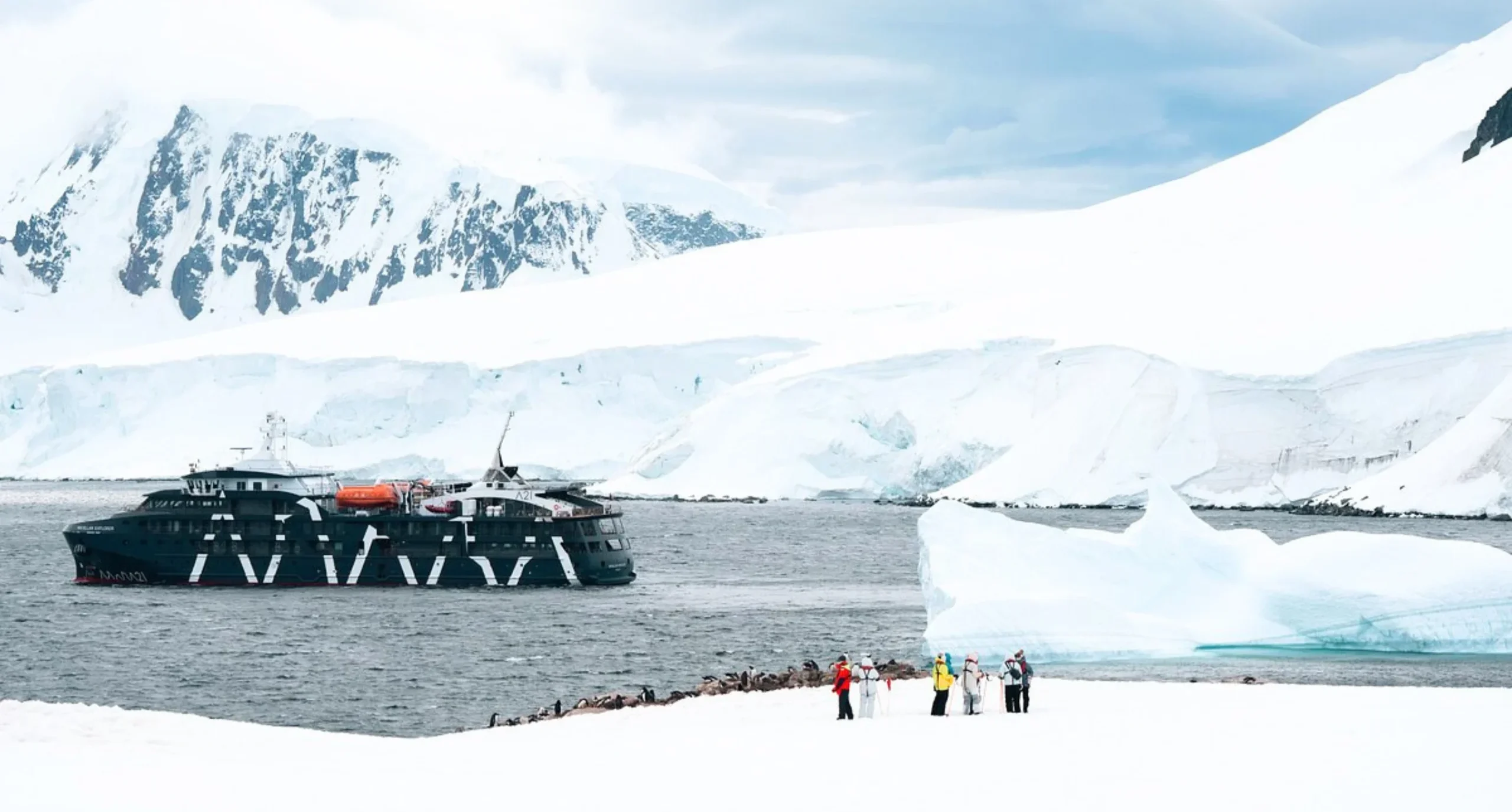
You will travel aboard a modern, purpose-built expedition ship designed specifically for Antarctic air-cruises. The vessel complies with the latest Polar Code standards and offers exceptional safety, comfort, and performance in polar conditions.
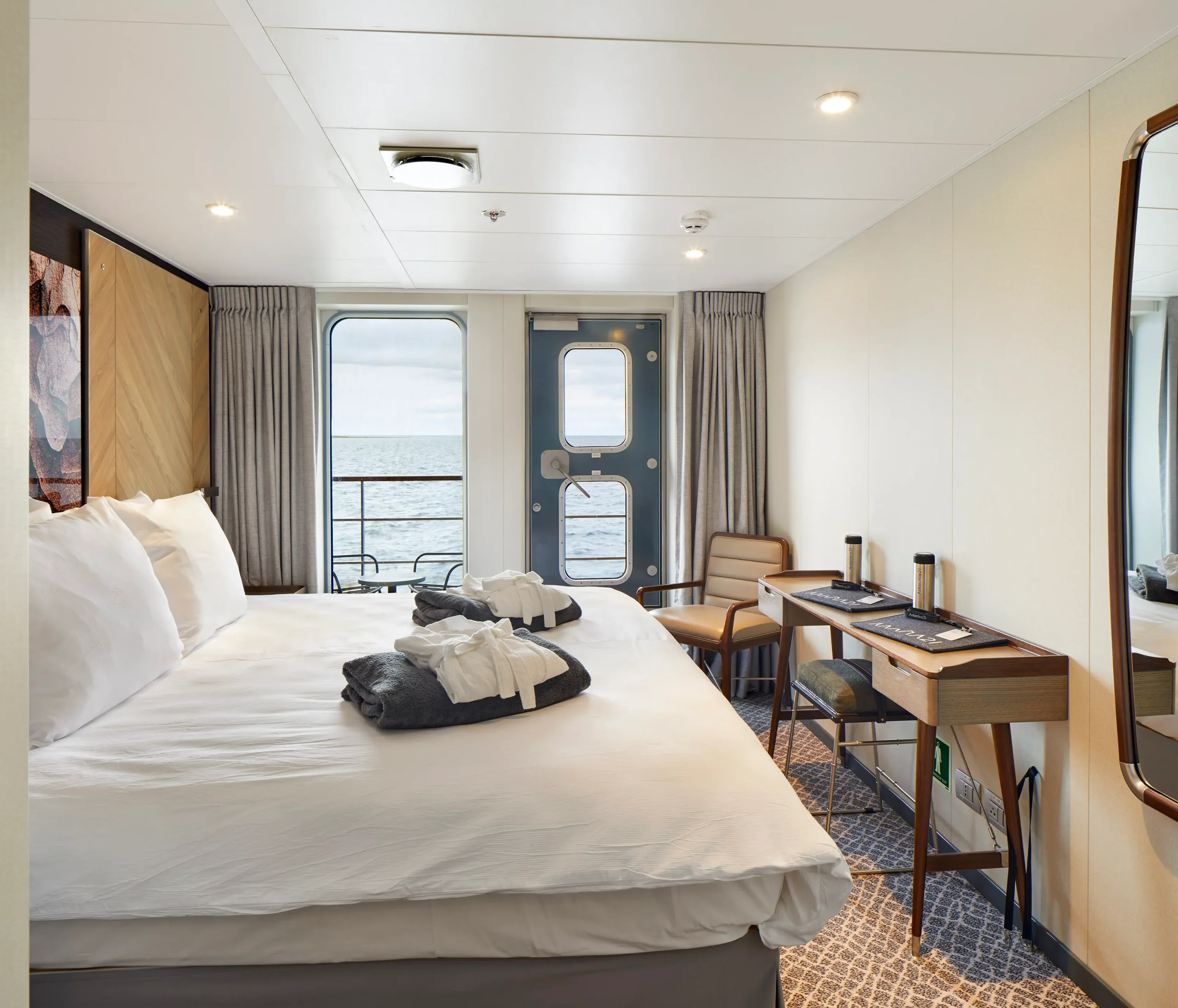
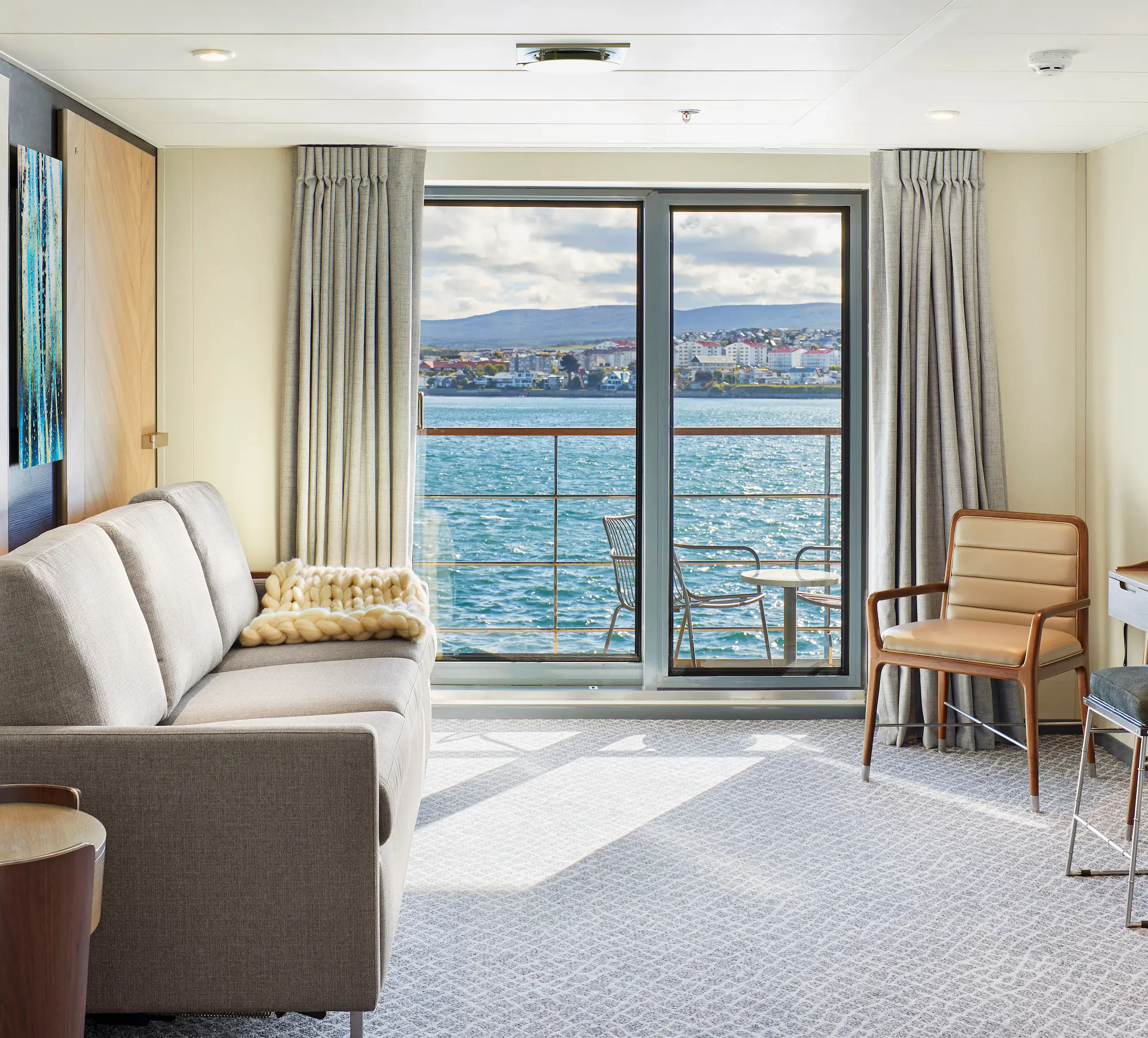
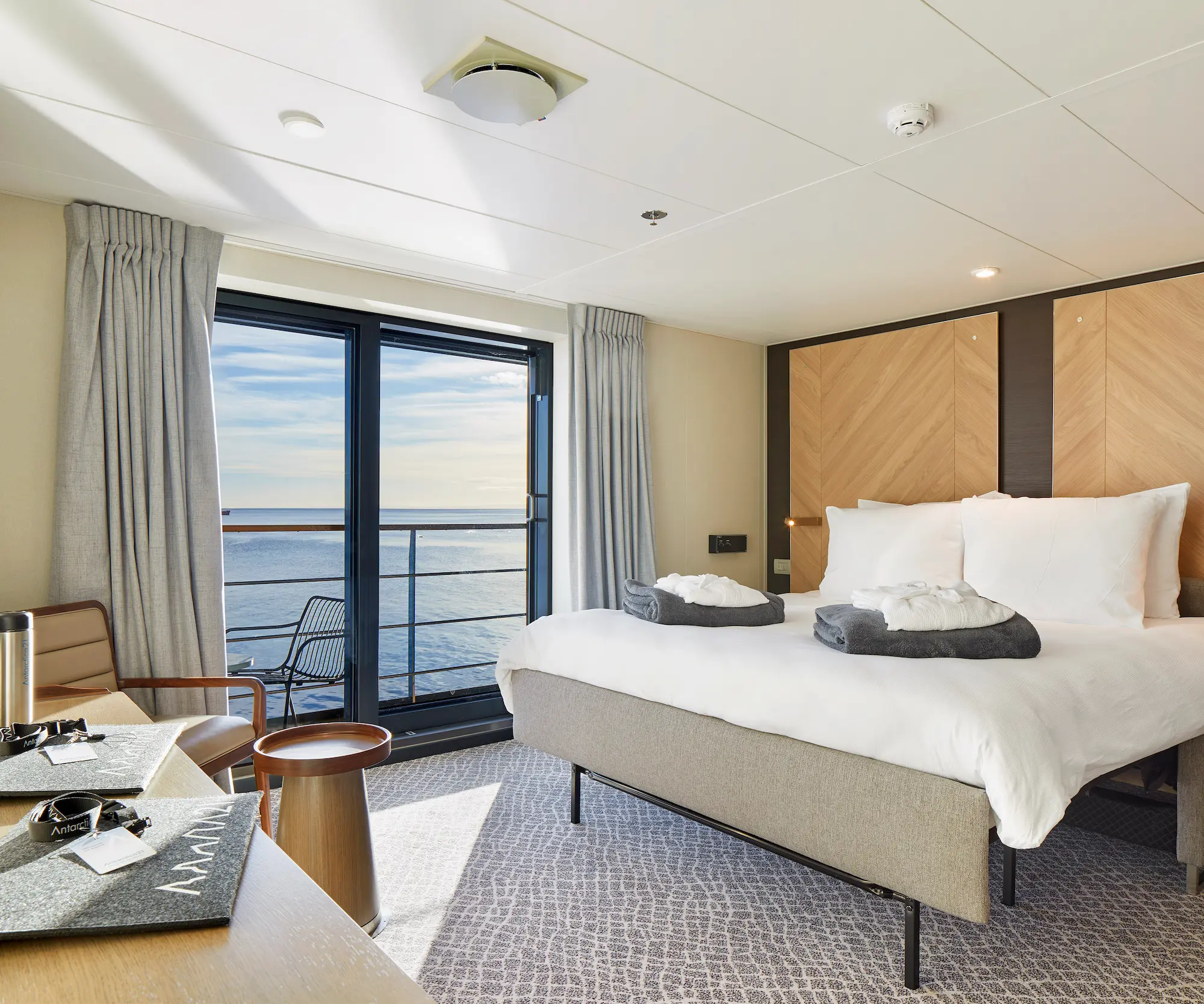
All cabins feature private balconies with uninterrupted views of the Antarctic landscape. Cabins are designed for comfort and include a king-size bed (convertible to twins), individual climate control, a sitting area, ample storage, and a private en-suite bathroom with shower.
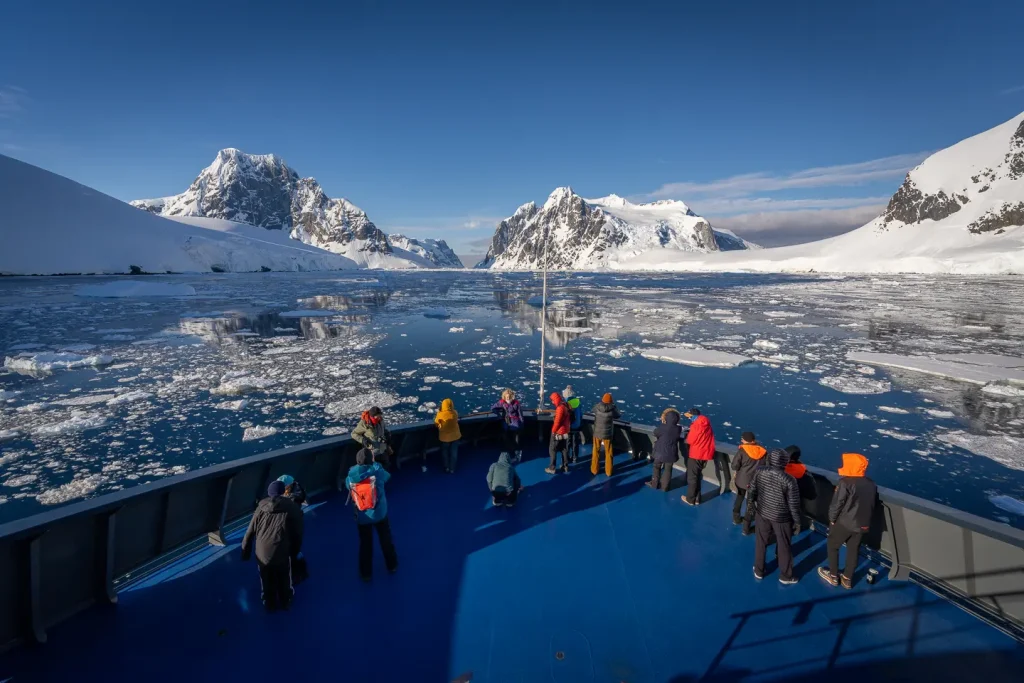
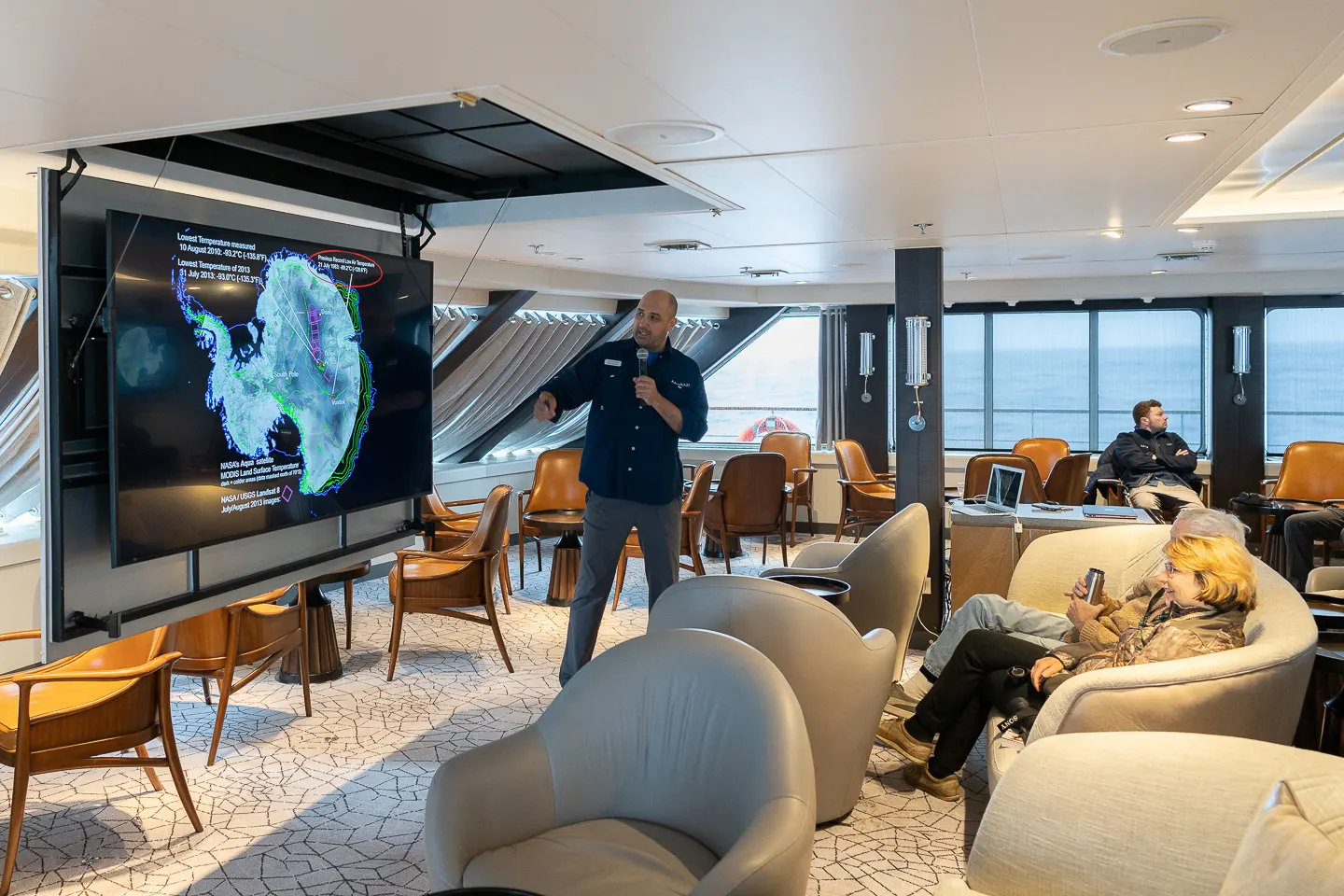
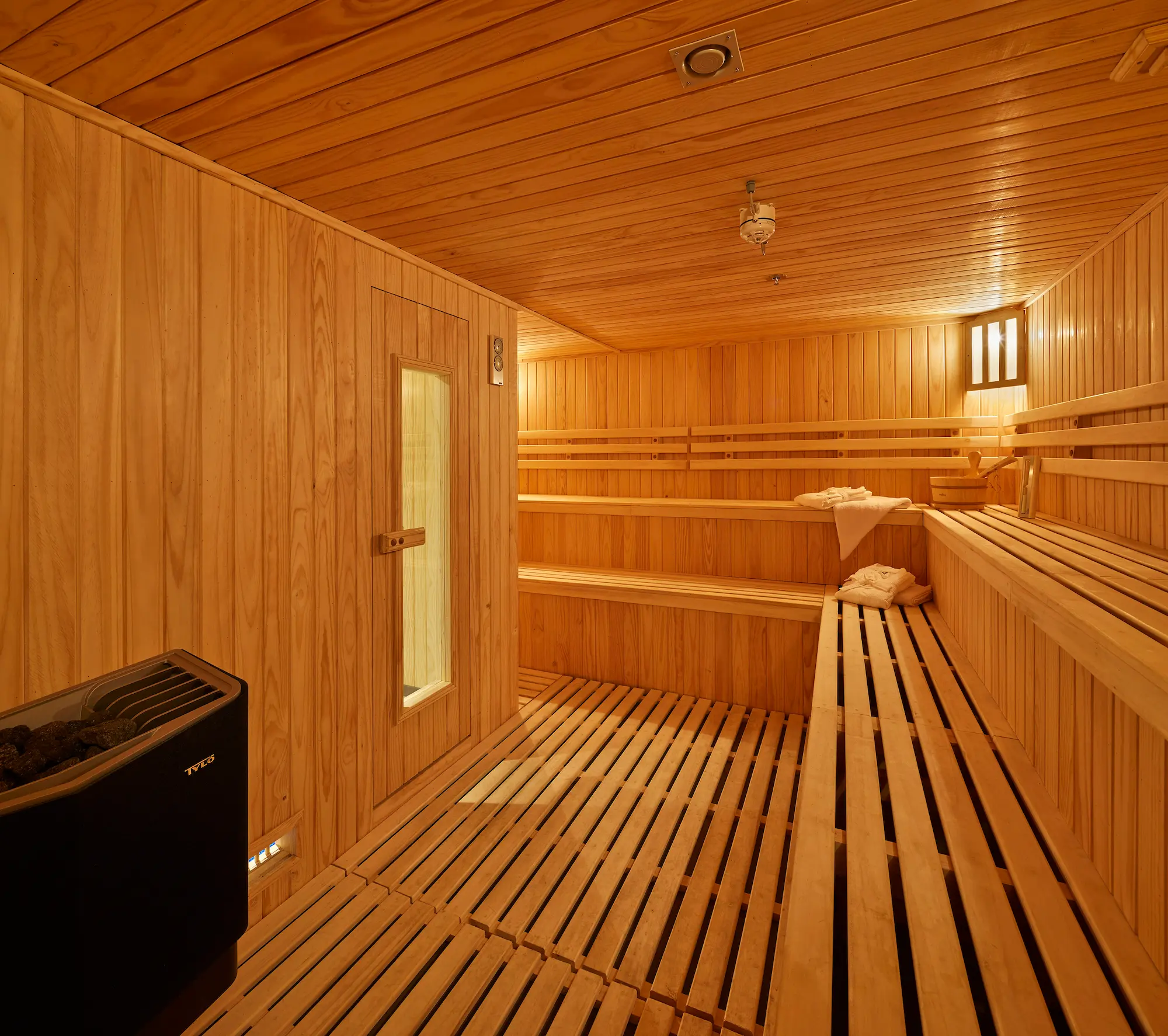
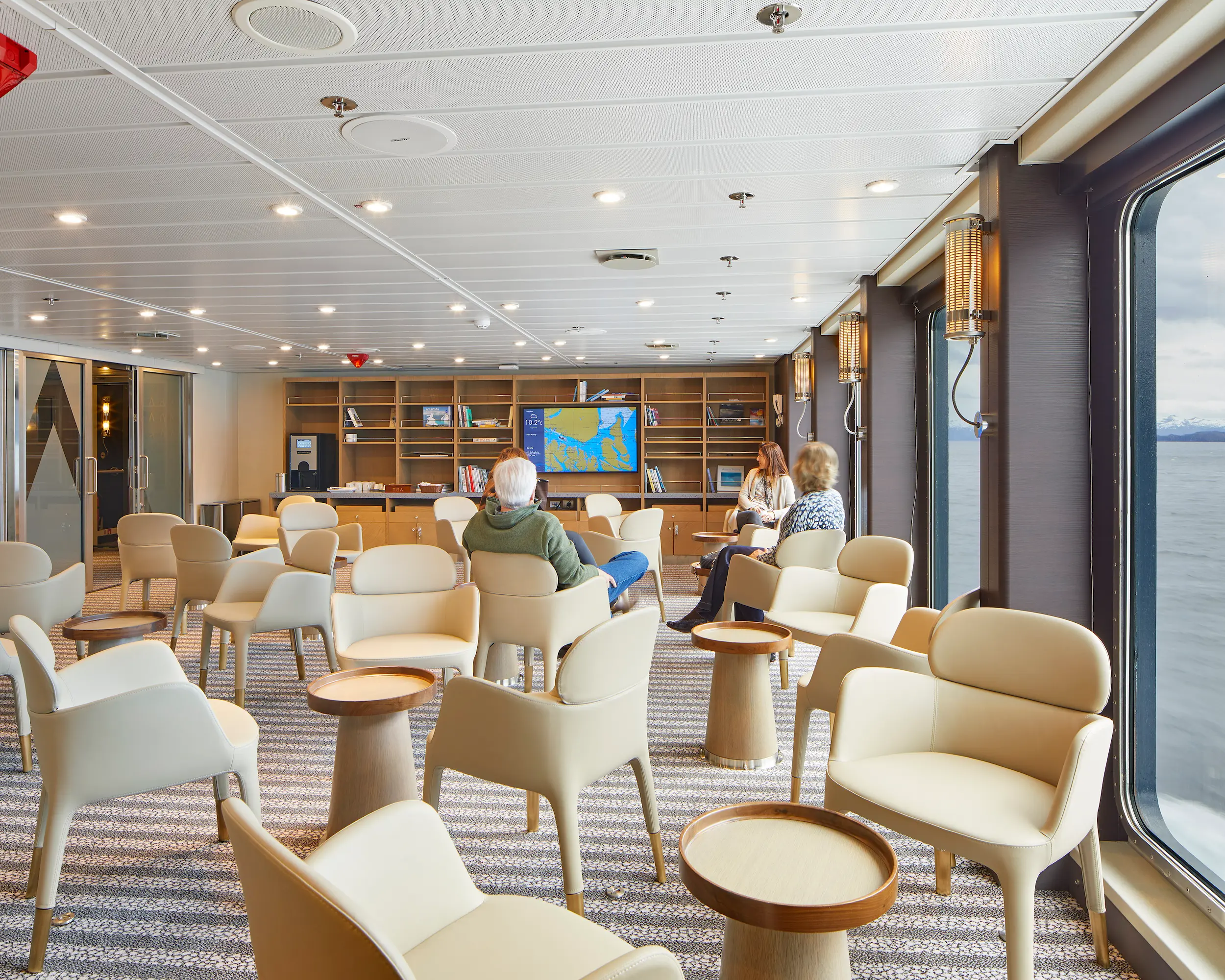
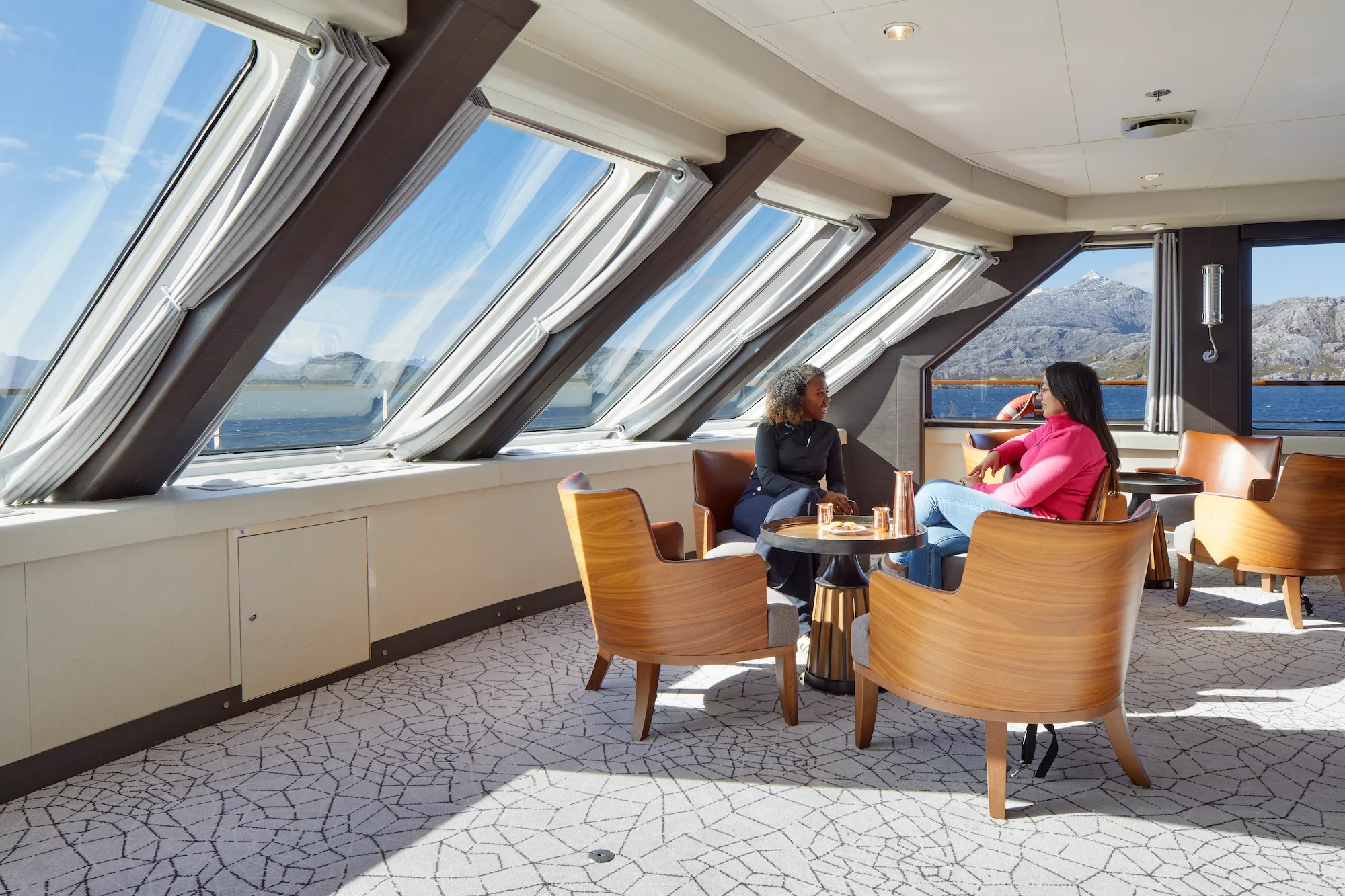
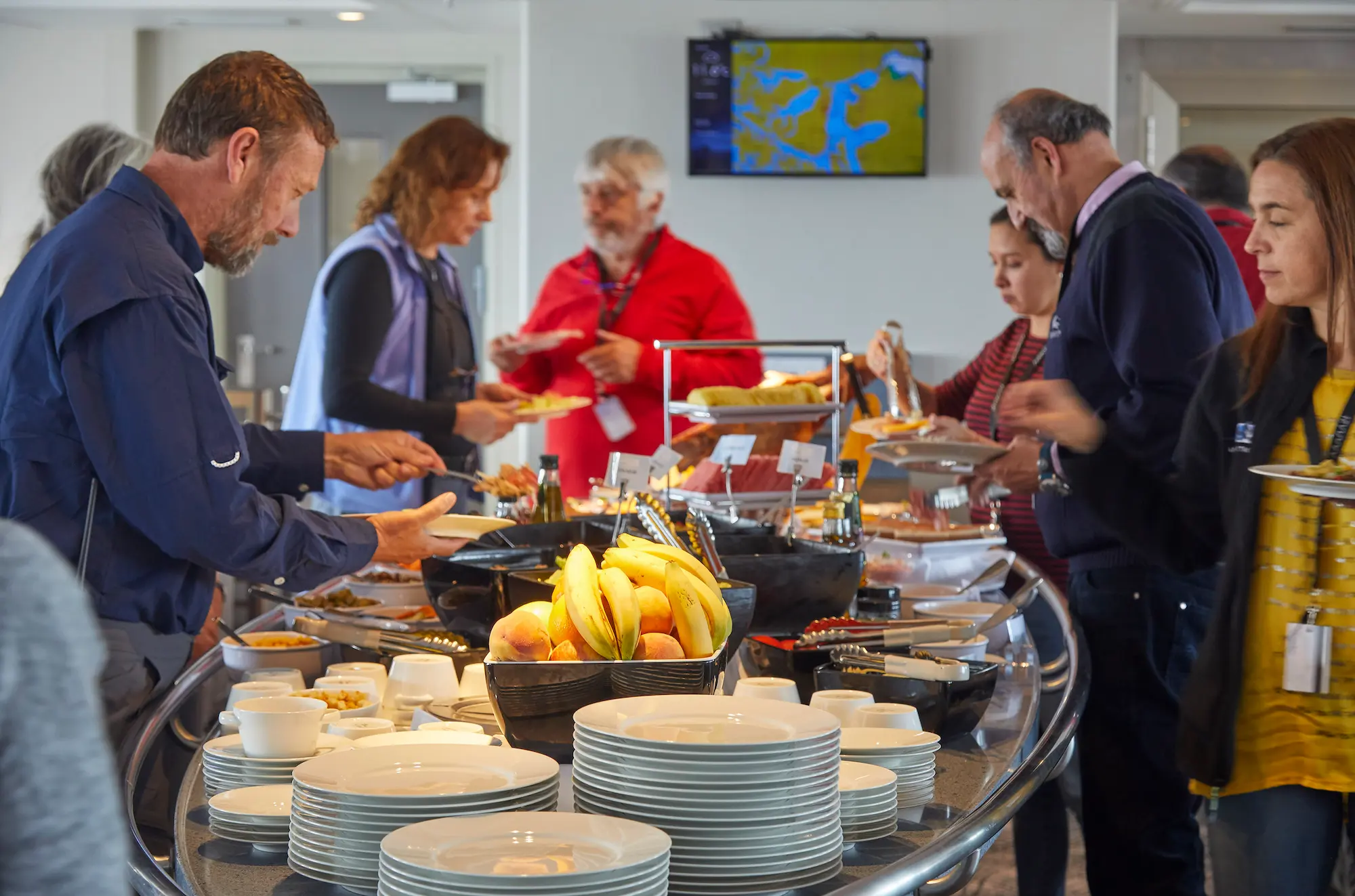
Guests can enjoy a panoramic observation lounge, presentation room with advanced audiovisual equipment, dining room, bar, library, meeting room, gym, medical clinic, and a sauna with open views of the Antarctic scenery. The top deck also includes a 360-degree walking track for wildlife viewing.
During the austral summer, average temperatures around the Antarctic Peninsula are approximately 0°C (32°F). However, wind chill can make it feel colder, so layered clothing is essential.
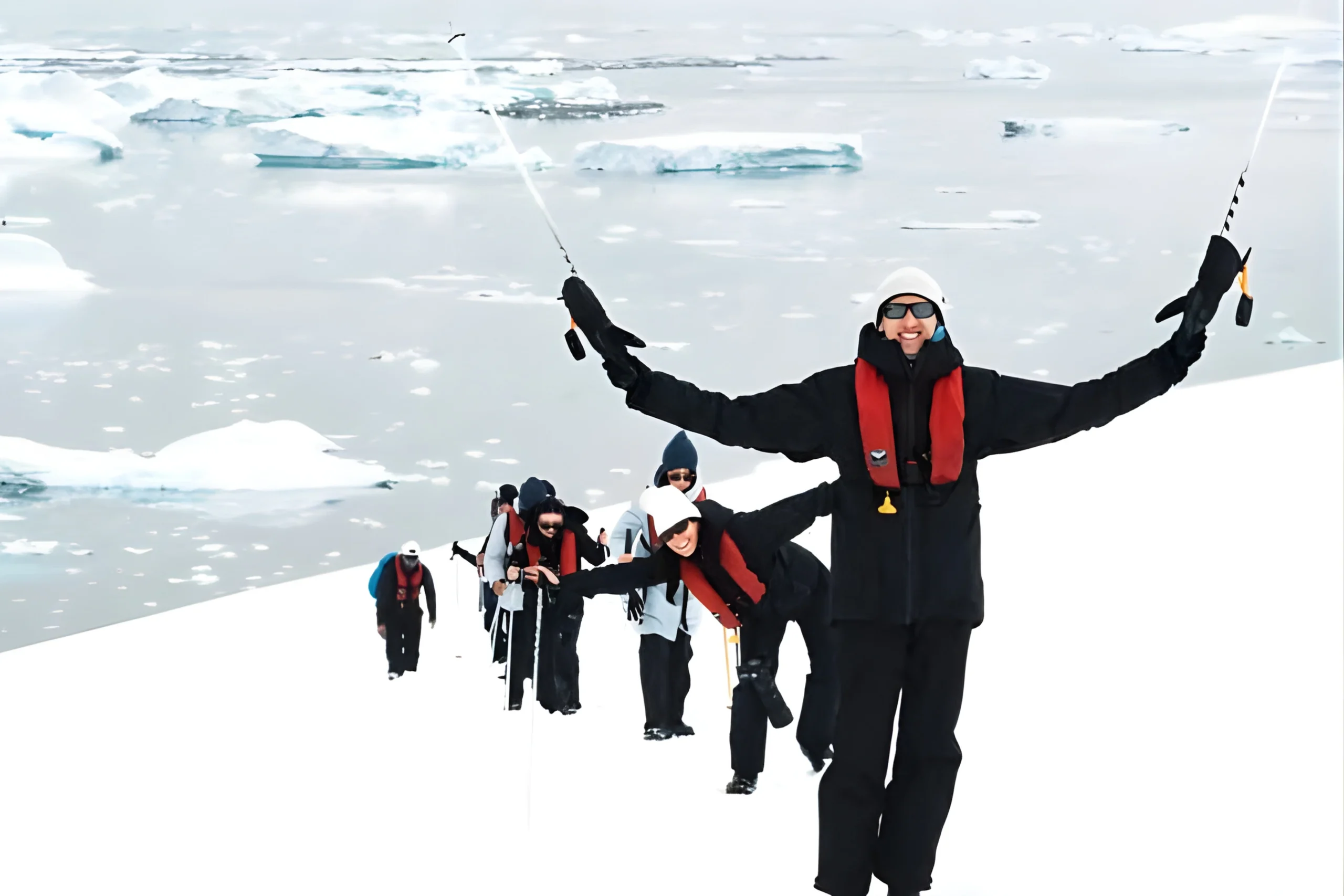
We recommend dressing in layers similar to ski gear:
- Thermal underwear
- Warm, moisture-wicking mid-layers
- Windproof and waterproof jacket and pants
- Hat, scarf, insulated waterproof gloves
- Sunglasses with high UV protection
Comfortable indoor clothing and rubber-soled shoes for onboard use are also recommended.
A high-performance waterproof expedition jacket is available for purchase prior to departure. Designed for offshore and polar conditions, it offers excellent weather protection, durability, and visibility. Jacket models may vary.
Yes. Waterproof boots suitable for Antarctic landings are provided on loan for the duration of the expedition and collected before the end of the trip. Guests are encouraged to bring their own waterproof outer layers for Zodiac excursions and landings.
Absolutely. Due to high UV reflection from snow and ice, guests must bring:
- UV-filtering sunglasses (glacier glasses recommended)
- Sunscreen (SPF 30 or higher)
- Lip balm with sun protection
A lightweight pair of binoculars (7x or 8x magnification) is ideal for wildlife viewing. Photography enthusiasts should bring a zoom lens, extra memory cards, and spare batteries, as cold temperatures can reduce battery life. Recreational drone use is not permitted.
Travelers must meet the entry requirements of all countries visited during the journey, which may include Chile and Argentina. Visa and vaccination requirements depend on your nationality.
Yes. Dietary requirements must be specified in the participation form submitted before departure so the onboard team can make appropriate arrangements.
Yes. Guests must carry comprehensive travel insurance that includes medical coverage and aero-medical evacuation from Antarctica, including coverage for pre-existing conditions. Trip cancellation and interruption insurance are also strongly recommended.
All guests are required to complete and submit an online participation form at least 90 days prior to departure. This includes a health declaration confirming fitness to participate in the expedition.
The maximum baggage allowance for flights to and from Antarctica is 25 kg (55 lbs) per person, including hand luggage. No additional allowance can be purchased. At certain points during the expedition, guests will need to handle their own luggage.
This expedition is best suited for adventurous travelers in reasonably good health with full mobility. Flexibility is essential, as Antarctic travel depends heavily on weather conditions and limited infrastructure.
The official expedition language is English. Guests who do not speak English are strongly encouraged to travel with someone who does to ensure safety and full enjoyment of the experience.
Yes. Antarctic travel is highly dependent on weather and operational conditions. For safety reasons, itinerary changes may occur without prior notice, including adjustments to flights, landings, or excursion plans.
- Outbound flight delayed: Guests remain accommodated with meals and, when possible, local excursions until weather conditions allow departure.
- Outbound flight cancelled after extended delay: The expedition may be interrupted and the cruise fare refunded.
- Return flight moved forward: The group may return earlier to avoid prolonged weather delays; no refund applies.
- Return flight delayed: Guests remain onboard until flying conditions improve or alternative arrangements are made for safety.
Guests come from over 40 countries and may travel solo, as couples, families, or groups. While cultural backgrounds may differ, all travelers share a common passion for exploration and the natural world.
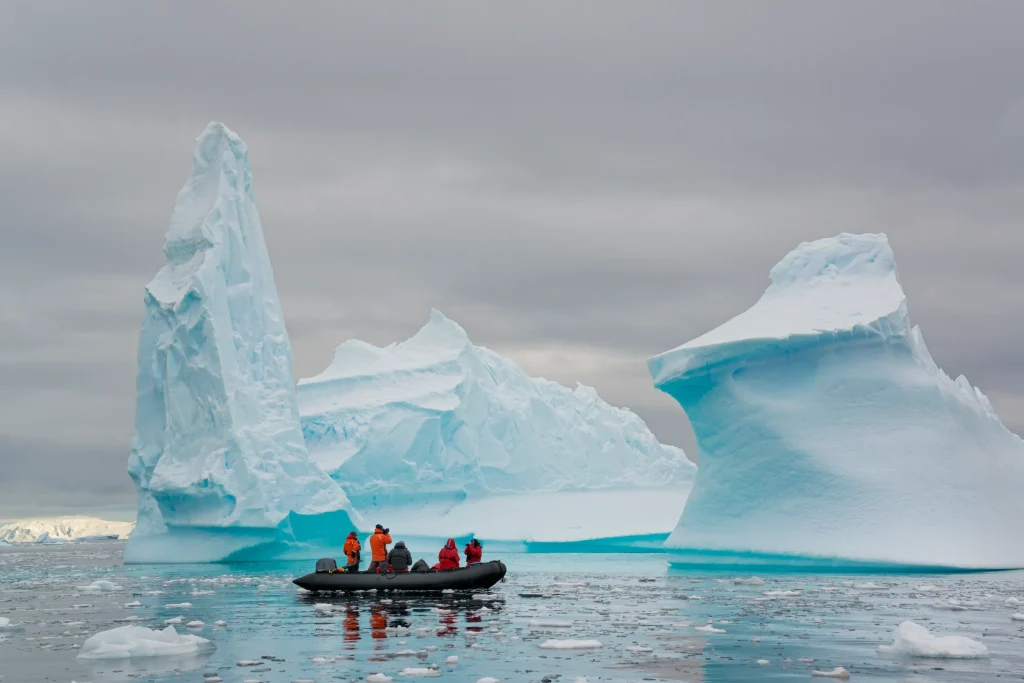
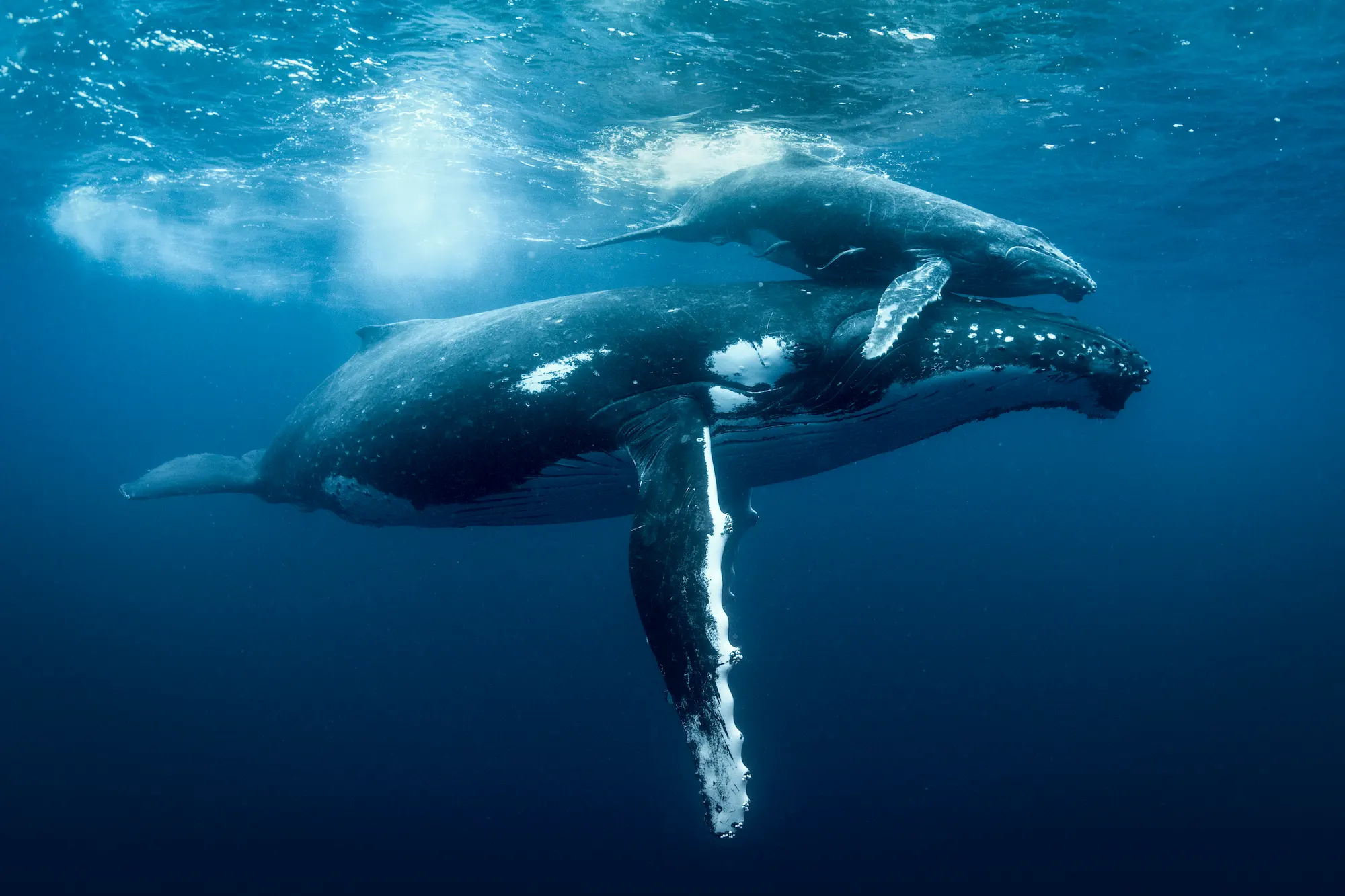
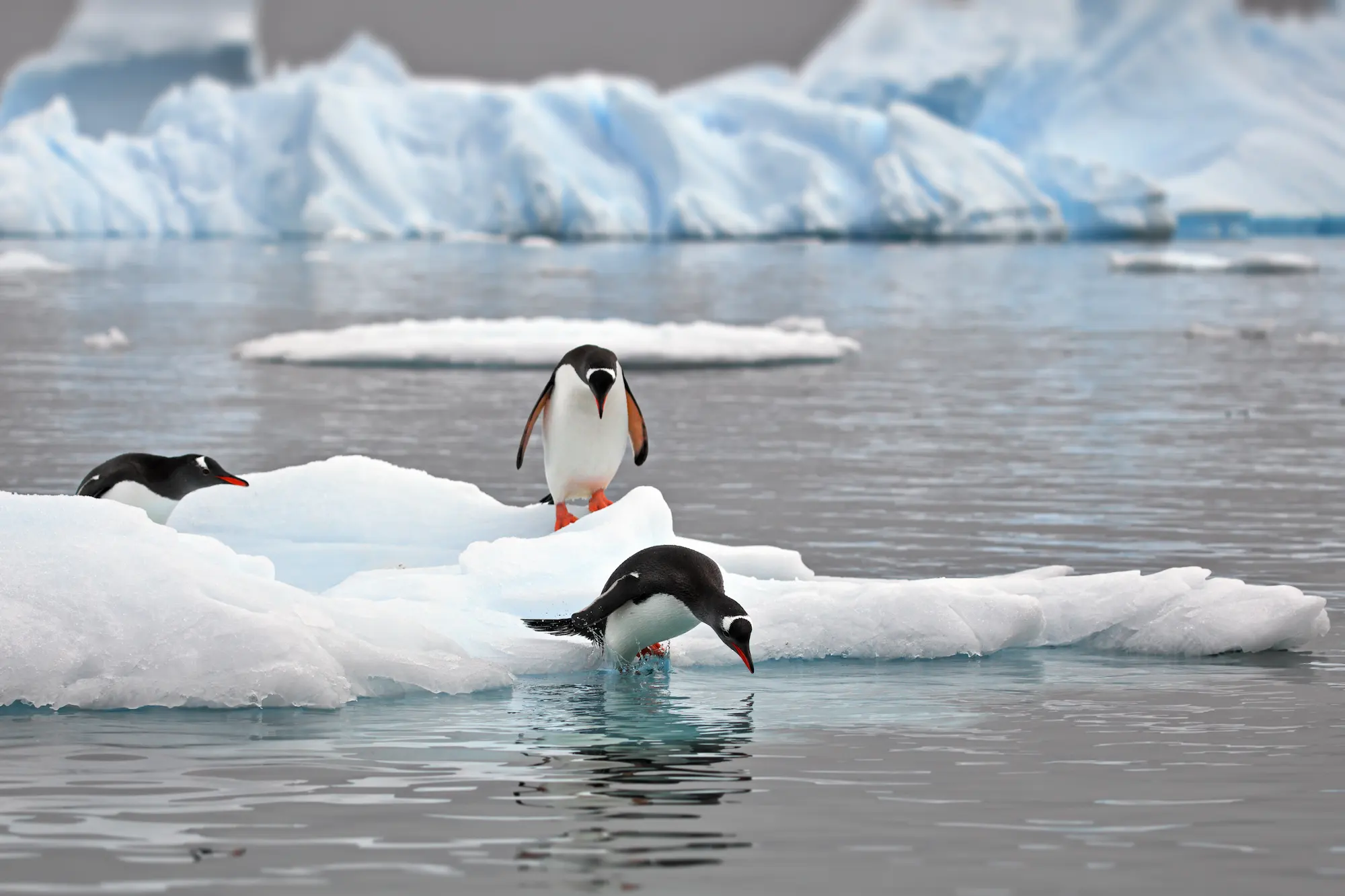
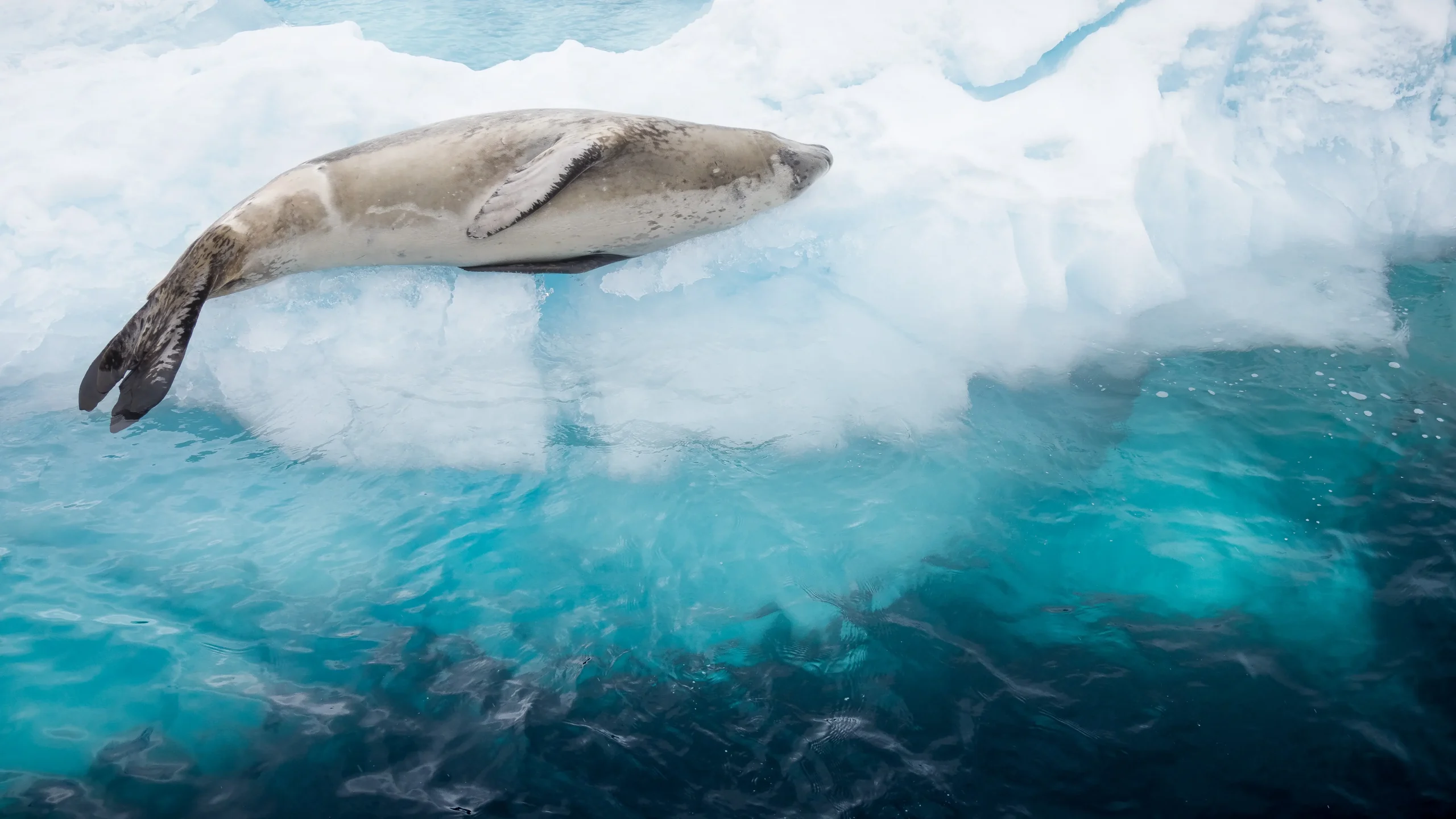
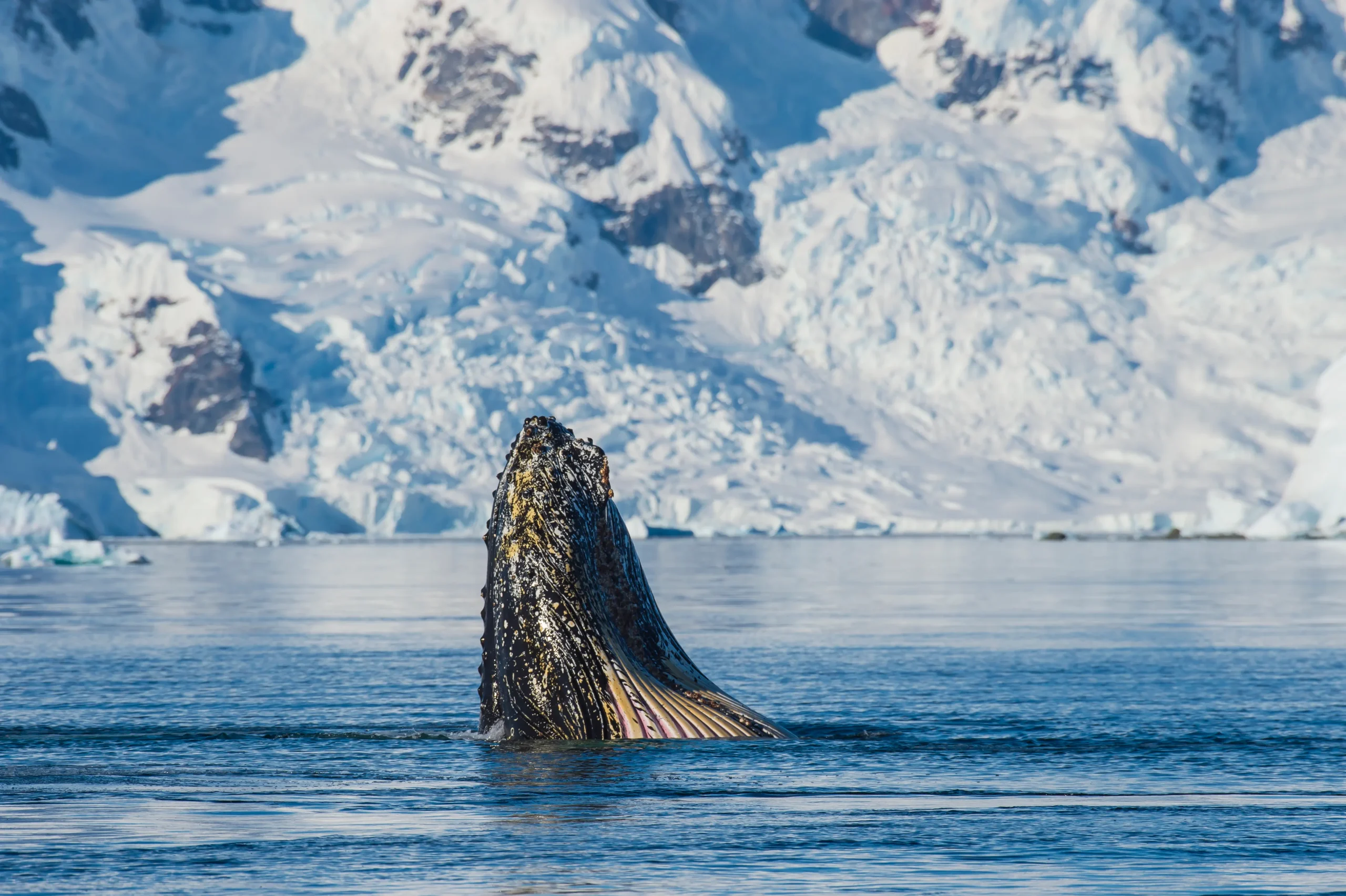
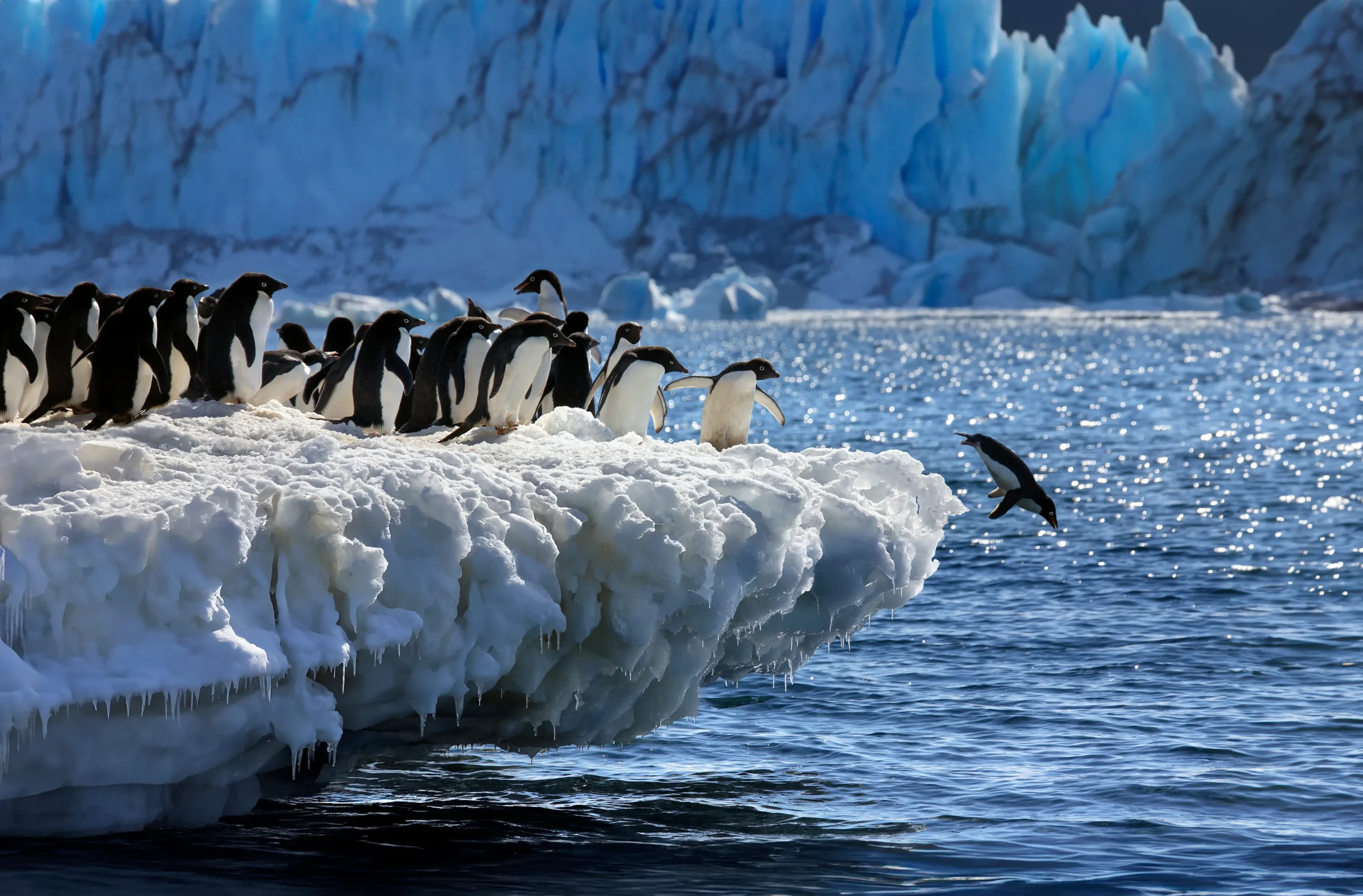
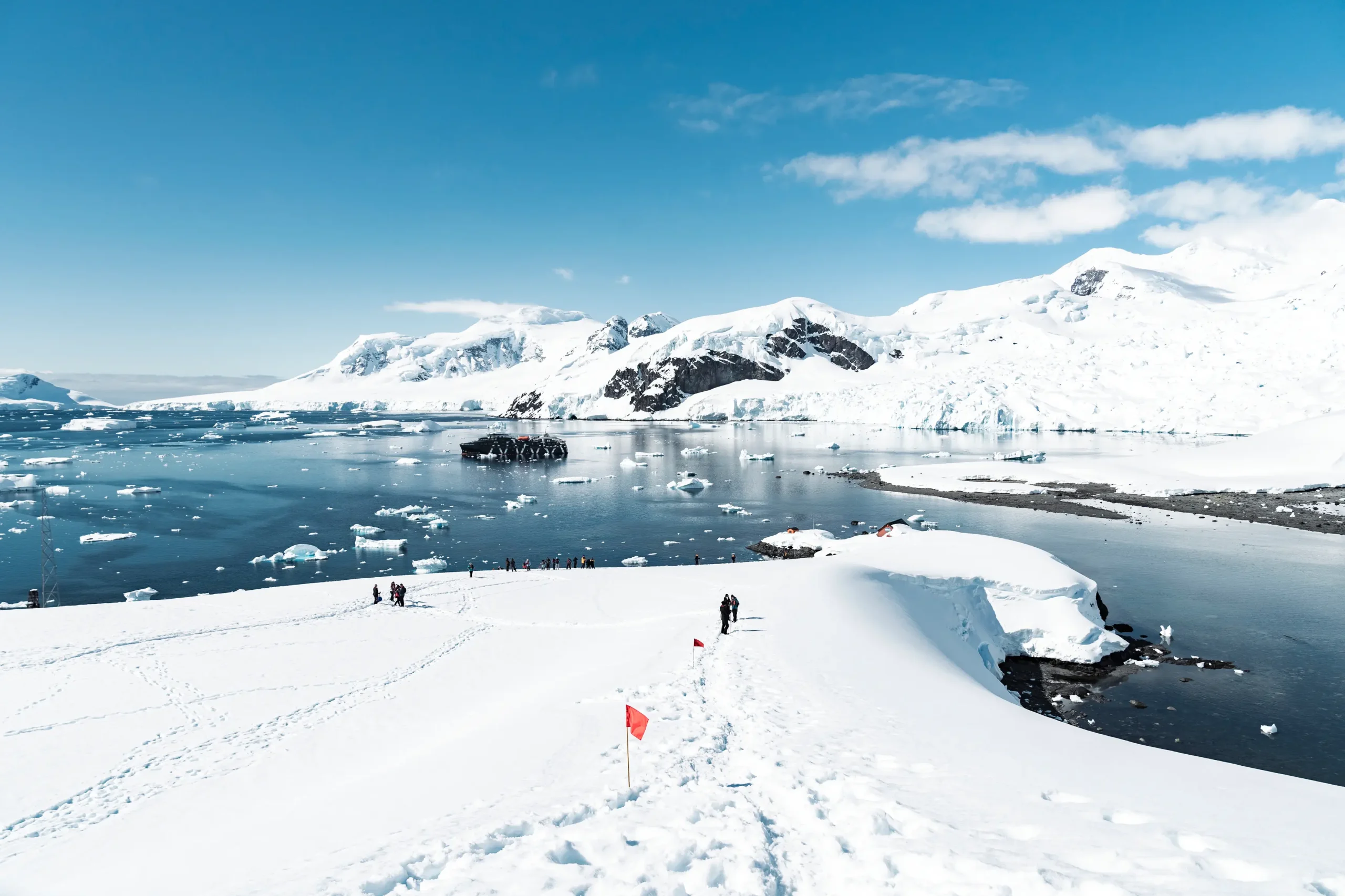
For many travellers, Antarctica is the ultimate bucket-list destination. From towering glaciers and icebergs to unforgettable encounters with penguins, whales and seals, every expedition offers a rare opportunity to experience one of the world's last great wildernesses. No two journeys are ever the same, making every visit uniquely rewarding.
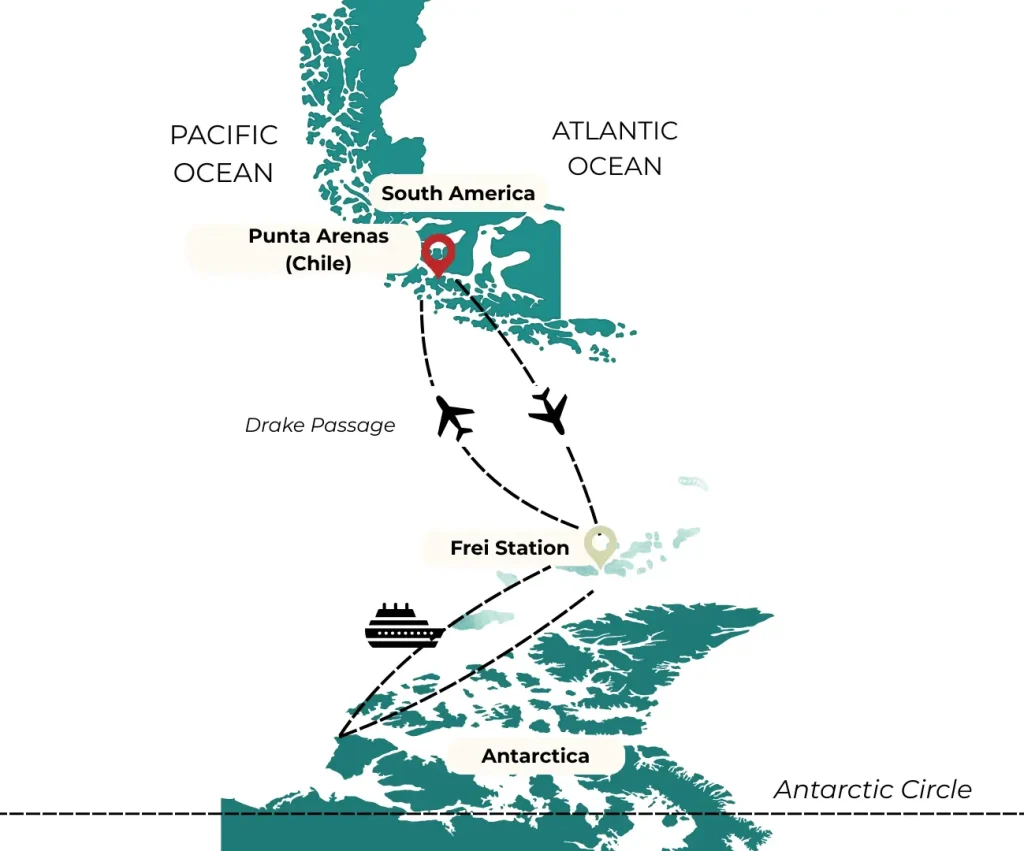
An Antarctica air-cruise allows you to fly directly from Punta Arenas to King George Island in approximately two hours, avoiding the traditional two-day crossing of the Drake Passage. This means less time travelling, reduced chances of seasickness, and more time exploring Antarctica through Zodiac excursions and guided shore landings.
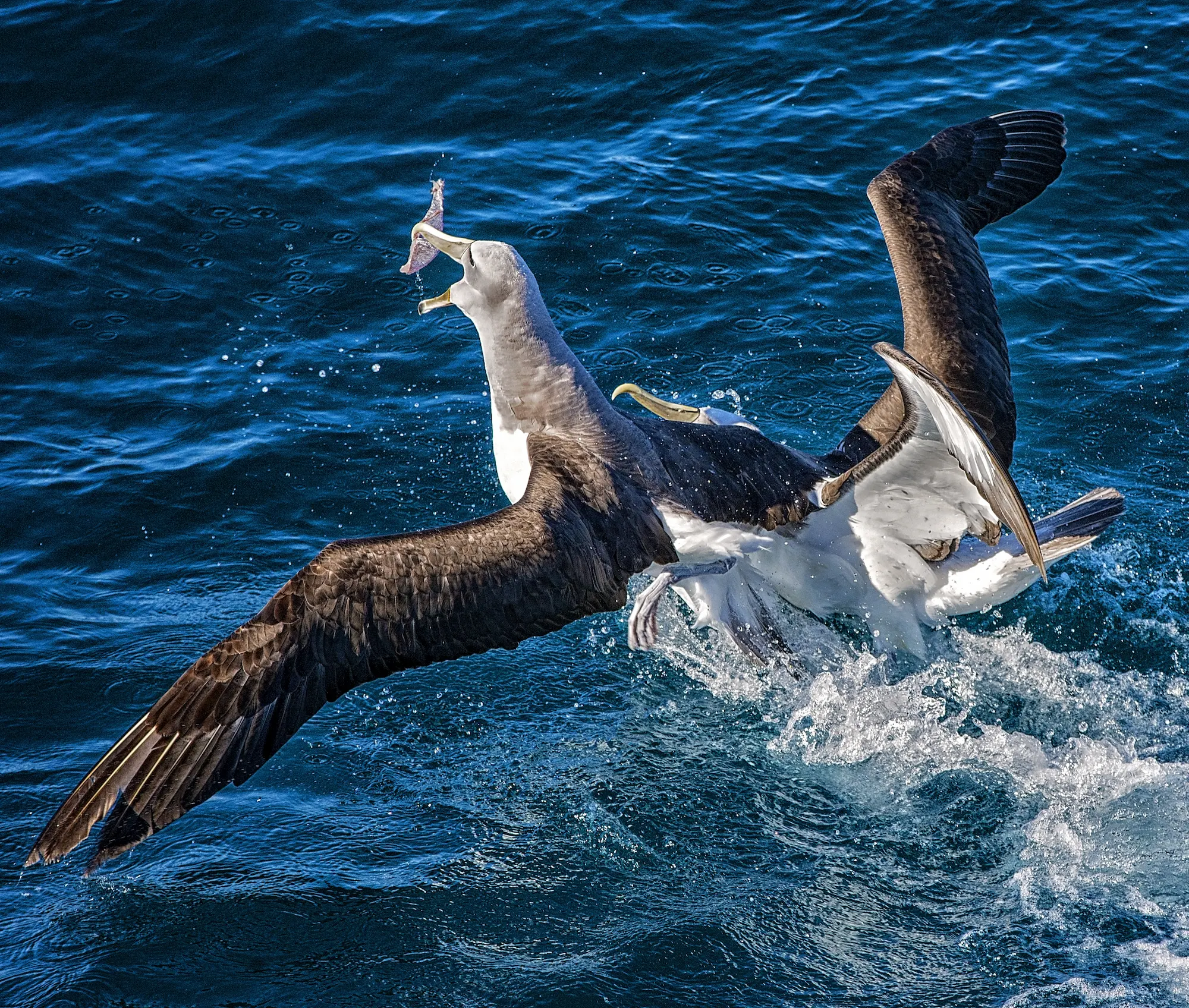
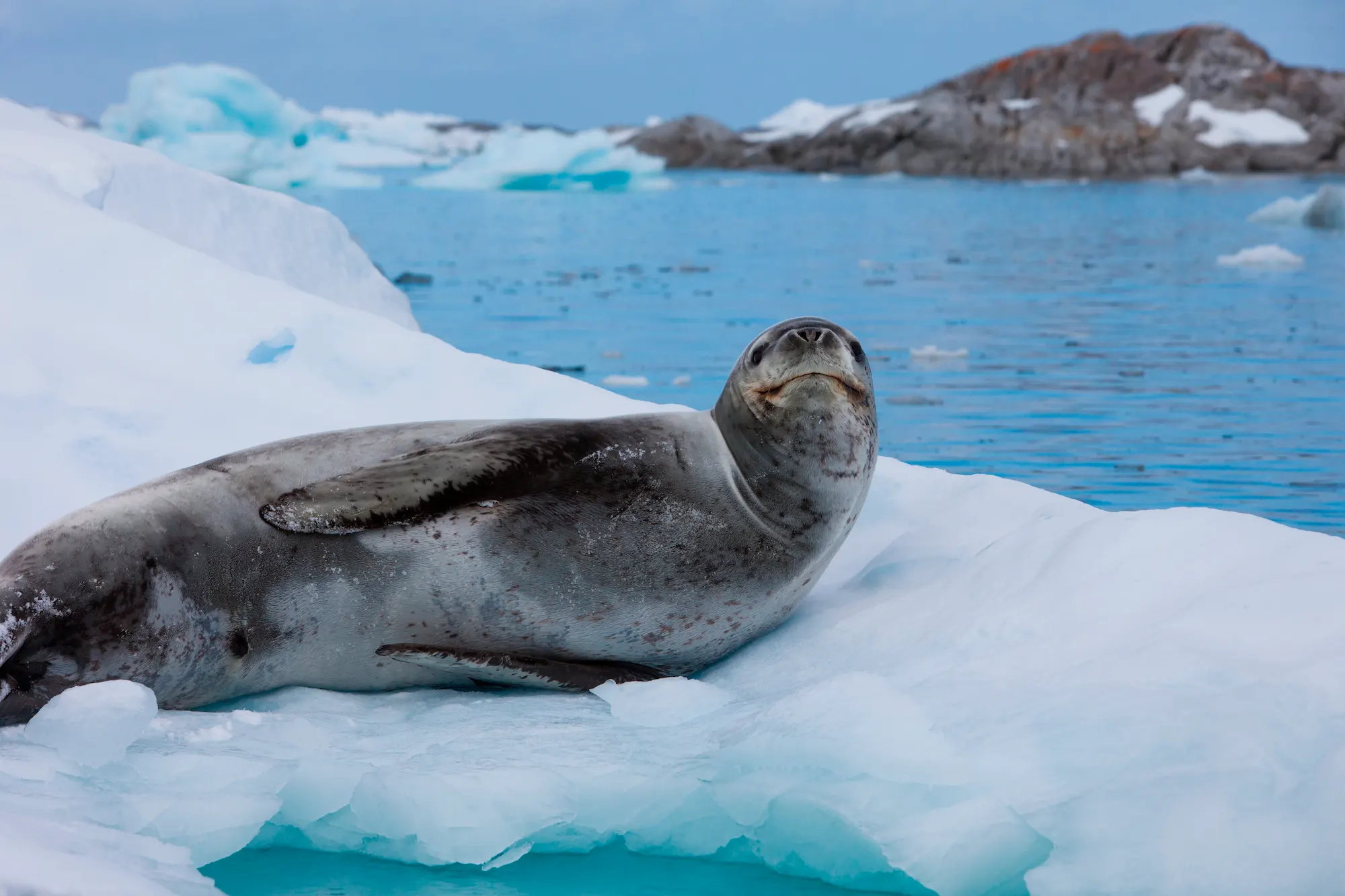
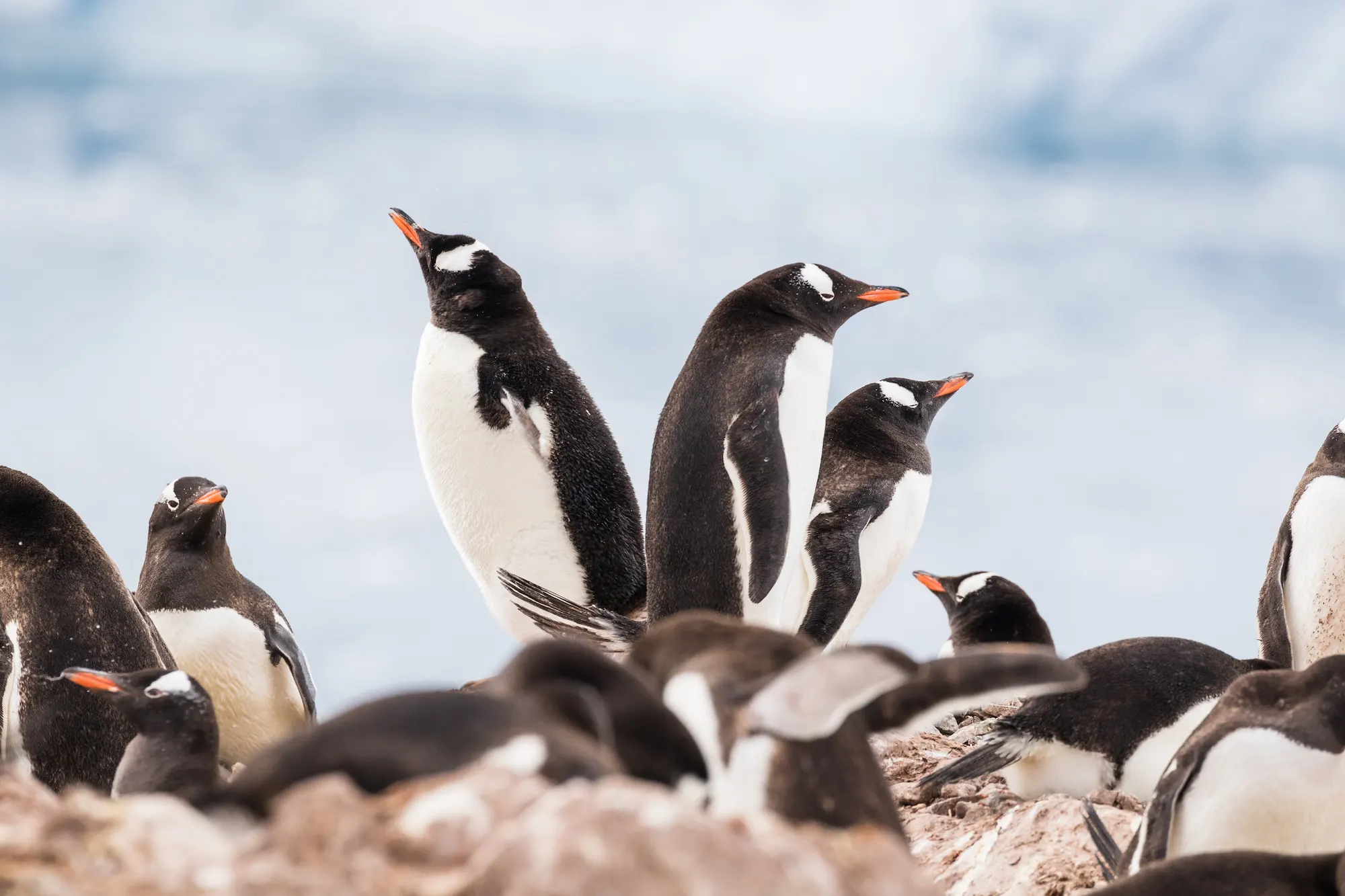
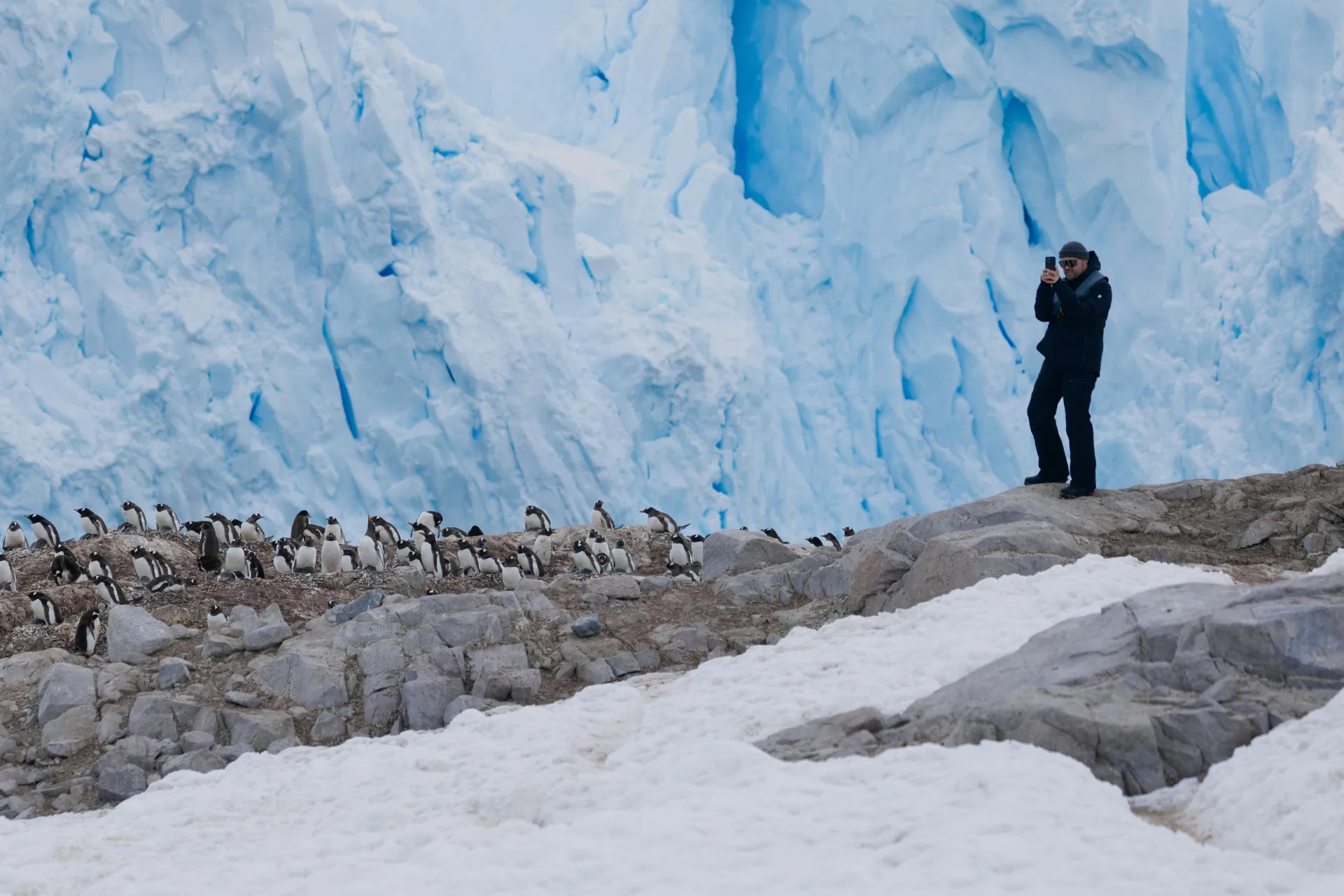
Wildlife sightings vary throughout the season, but guests commonly encounter Gentoo, Chinstrap and Adélie penguins, Weddell, leopard and crabeater seals, humpback and minke whales, as well as a variety of Antarctic seabirds including giant petrels, skuas and albatrosses. Every expedition offers unique wildlife encounters depending on weather, season and location.
The Antarctic expedition season runs from November to March. Early season departures showcase pristine snow-covered landscapes, while December and January offer long daylight hours and active penguin colonies. February and March are particularly popular for whale sightings and wildlife photography.
Unlike traditional Antarctic cruises, this itinerary avoids sailing across the Drake Passage by flying directly to Antarctica. While you will still travel by expedition ship within Antarctic waters, conditions are generally calmer than the open ocean crossing, significantly reducing the likelihood of seasickness.
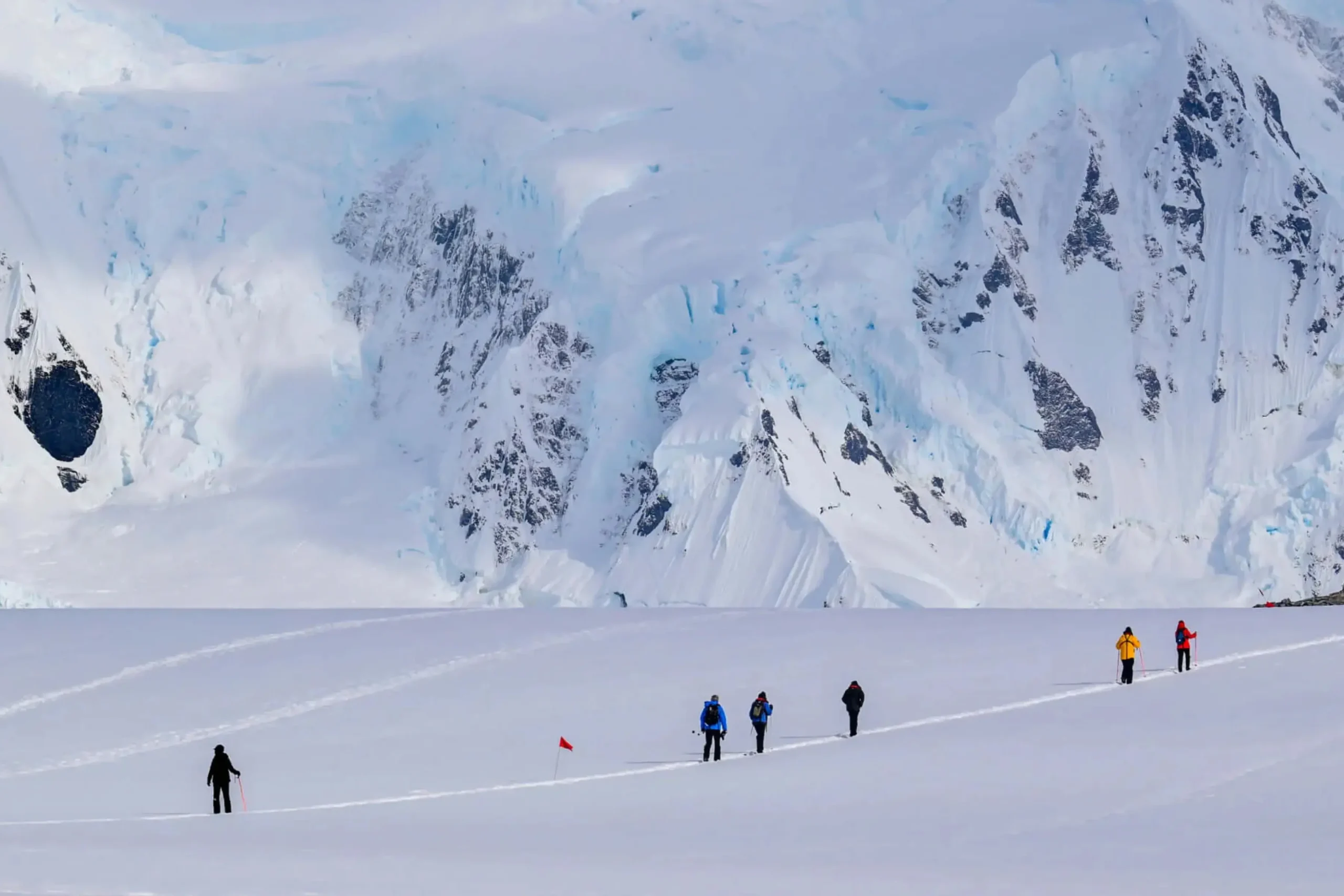
Weather and ice conditions determine the final expedition schedule, but the goal is to maximise opportunities for daily Zodiac excursions and guided shore landings whenever conditions allow. Every itinerary is designed to make the most of your time exploring Antarctica safely and responsibly.
You don't need to be an athlete, but a reasonable level of mobility and fitness is recommended. Guests should be comfortable walking on uneven terrain, boarding Zodiac boats and navigating icy shore landings with assistance from the expedition team.
Yes. Antarctica is one of the safest expedition destinations when travelled with experienced operators. Every voyage is led by an expert expedition team, follows strict international environmental guidelines, and operates under comprehensive safety protocols designed specifically for polar travel.
Absolutely. Antarctica is a popular destination for solo travellers, couples and small groups alike. Many guests choose to travel independently, and shared cabin options may be available on selected departures, subject to availability.
Away&Co offers personalised planning, expert guidance and seamless travel arrangements from your initial enquiry through to your return home. Beyond your Antarctic expedition, our specialists can also curate bespoke journeys across Patagonia, Chile and Argentina, creating a truly unforgettable South American adventure.